
Skin Tightening Solutions After GLP-1 Weight Loss Medications
Key Takeaways
- Skin tightening after GLP-1 weight loss is significant. Weight loss with GLP-1 medication can result in loose, sagging skin, particularly around the face and abdomen, as the skin loses its elasticity.
- A combination of non-invasive, minimally invasive, surgical, and topical therapies can assist in improving skin tightening after weight loss.
- Consulting with experienced cosmetic surgeons or dermatologists is crucial to develop a customized treatment plan tailored to your specific skin and health considerations.
- Good habits such as exercise, hydration, and stress management can help maintain your skin’s health during and following weight loss.
- Your age, genetics, and history of weight changes can all impact how your skin responds to weight loss.
- Prices for skin tightening are all over the place, so thoughtful budgeting and considering insurance coverage can help you prepare for immediate and ongoing care.
Skin tightening after GLP-1 weight loss refers to how skin changes when individuals lose weight from GLP-1 drugs, such as semaglutide or tirzepatide. A lot of loose skin is noticed after rapid or significant weight loss.
Skin may not snap back quickly, so some look for tips to help skin appear firm. Easy measures, such as proper skin care, consuming sufficient protein, and gradual weight loss can contribute.
Then, observe what works for various body types and ages.
The GLP-1 Effect
GLP-1 drugs, like semaglutide and liraglutide, assist people lose weight by imitating the way natural gut hormones function. They decelerate digestion, increase satiety, and regulate blood sugar. This effect can be powerful; some people lose upwards of 60 pounds. Along with weight loss, there are numerous health benefits as well, such as decreased blood sugar and reduced risk of diabetes.
The weight drop can bring skin changes that require some serious consideration.
| Effect on Skin | Pros | Cons |
|---|---|---|
| Skin Elasticity | Can improve if weight loss is slow and steady | Often reduced with rapid weight loss, leading to sagging |
| Collagen Production | Natural processes try to maintain firmness | Collagen loss speeds up fine lines and wrinkles |
| Appearance | Some see smoother skin and a leaner look | “Ozempic face” (facial sagging), loss of buttock fullness, loose skin |
| Health Outcomes | Fewer skin folds can mean less irritation or infection | Loose skin may cause discomfort or self-consciousness |
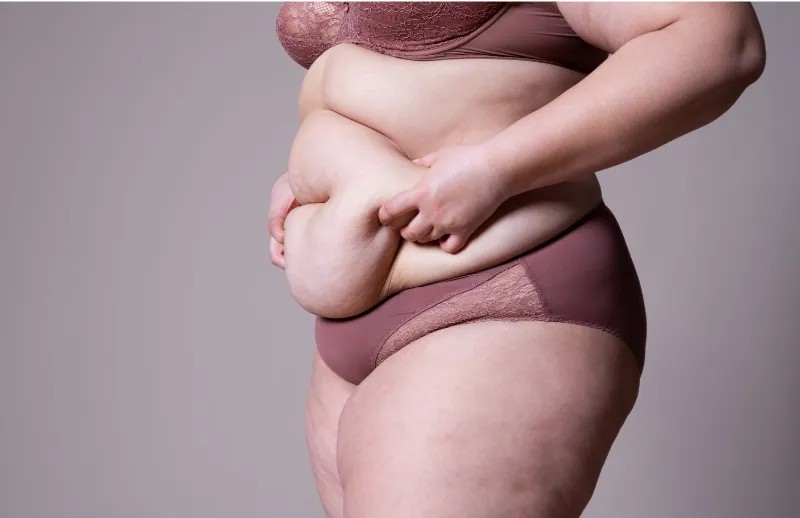
Major weight loss, particularly when it’s rapid, can stretch skin to its breaking point. As fat deflates under the skin, the outer layers may not catch up. The most common locations are the face, stomach, arms, and buttocks. For others, this might be new folds or loose skin that doesn’t snap back immediately.
Ozempic face” is the term for the sunken cheeks and more pronounced lines that can accompany a leaner visage. Ozempic butt” is what they call a loss of fullness in the buttocks. These shifts can alter your perception of yourself, leading some to contemplate fillers or skin tightening procedures.
Collagen and elastin, two proteins in the skin, keep it firm. Age, genetics, and sun exposure all have a role in how many of these remain following weight loss. These proteins drop off as we age, so the skin’s bounce diminishes. This causes sagging or wrinkling to be more prevalent, even if you do everything right — diet and exercise — while losing weight.
We’ve observed that ‘after the weight comes off,’ some people enter a ‘second wave’ — they turn their attention to their skin and seek ways to find their youthful shape again. There are options from creams to lasers to surgery, but those considering surgery often have to wait at least six to twelve months after their weight plateaus. This pause reduces dangers and achieves the most favorable result.
Skin Tightening Options
Loose or sagging skin after GLP-1 weight loss is a major concern. The right skin tightening option for you is based on how lax your laxity is, your health, and your personal goals. Here’s a breakdown of the most common approaches:
- Non-invasive treatments are ideal for mild to moderate skin laxity and depend on technology, not surgery, to stimulate the body’s own repair mechanisms.
- Minimally invasive procedures provide more significant tightening than non-invasive options with less downtime than surgery.
- Surgical options provide the most dramatic and lasting results, best suited for substantial excess skin.
- Topical skincare and daily skincare support skin quality and can help maintain results from other treatments.
Two or more methods combined can often provide nicely balanced, natural-looking enhancement. The best way to find a treatment that works for you is to consult with a cosmetic surgeon or dermatologist.
1. Non-Invasive
Ultrasound skin tightening such as Ultherapy focuses energy to heat deeper layers of skin and trigger collagen growth, which can lift and firm. Another option is radiofrequency (RF) microneedling. It combines microneedling with radio frequency to trigger collagen and elastin production, which makes skin tighter and smoother over time.
These options are excellent for mild to moderate laxity, particularly on the face, neck, and upper arms. Laser treatments and chemical peels may be used for skin texture and tone. They’re not a primary option for tightening. Hydrafacials and gentle skin care are beneficial because they keep skin hydrated and support recovery.
The patient should use moisturizers and sunscreen regularly as the newly treated skin may be sensitive and require protection from sun damage. Non-invasive options results develop slowly, typically over 2 to 6 months. They tend to look natural and require minimal to no downtime, making them a sensible first step for most.
2. Minimally Invasive
Radiofrequency therapy, even microneedling with RF, induces a mild injury in the skin that ignites tightening immediately and generates collagen production for months. Skin tightening options include Hyperdilute Radiesse injections, which can plump and firm thin or crepey skin, particularly on the neck or hands, but these are not a mainstay for larger areas.
These provide faster results than non-invasive approaches and are often paired with diet, hydration, and exercise modifications to enhance skin quality. Your dermatologist can help you construct a plan that suits your skin’s requirements and your tolerance for downtime or noticeable side effects.
3. Surgical
Tummy tucks, arm lifts, and facelifts are options for those with a ton of loose skin. These surgeries excise excess tissue and contour the region to a tauter and more sculpted appearance. Surgery typically implies anesthesia and extended convalescence, and the outcomes tend to be more striking and enduring.
Selecting a talented plastic surgeon is important to your safety and your results. You should wait a minimum of six months after attaining your goal weight before surgery. That allows your skin to tone and your body to accommodate, while making surgery more safe and effective.
4. Topical
Retinoids and peptides can help skin look and feel firmer by boosting collagen. Skin tightening options such as firming creams or serums can be added to your daily routine. Maintain a consistent regimen, including gentle cleansing, hydrating, and sun protection, to keep results going strong.
Vitamin C and E supplements might assist. They support skin health from within and should be utilized within a larger strategy.
Lifestyle Support
Skin tightening after GLP-1 weight loss typically requires a consistent lifestyle adjustment. Healthy lifestyle steps can give your skin the assistance it requires as your body transforms. These aren’t quick fixes, but they can help your skin feel and look better over time.
- Consume a diet rich in protein, vitamin C, and omega-3.
- Do strength training 3-4 times a week.
- Drink enough water each day.
- Take care to use sun protection.
- Keep your weight steady.
- Manage stress in healthy ways.
- Add collagen peptides, 10–20 grams per day, if needed.
- Split protein into 2–3 meals per day.
Exercise is critical for skin support after weight loss. Weekly strength training can help build lean muscle. Additional muscle under the skin can give it a firmer, more toned appearance. Aim to get in strength training around three or four times a week.
Easy actions such as squats, lunges, push-ups, and lifts using weights or bands can function effectively. Even bodyweight exercises assist. In addition to muscle gain, exercise helps your body send blood to the skin, helping it receive the nutrients it needs to heal and grow strong.
Hydration is elementary. Water assists your skin to maintain its stretch and bounce. Drink sufficient water to keep your urine light yellow. How much you require depends on your age, size, and activity level, but most people fare well with around 2 liters a day.
Proper hydration keeps your skin’s cells functioning and might assist in the gradual process of skin tightening. Stress support is yet another step that counts. Chronic stress can cause inflammation, which can delay your skin’s healing.
Try deep breaths, quick walks, or even quiet time in a meditation room. These little habits can reduce stress and assist your skin’s own healing. Yoga, gentle stretching, or mindful breaks can aid in bringing stress down day by day.
Food counts for your skin, as well. A well-rounded diet providing sufficient protein, vitamin C, and good fats from fish or seeds aids your skin as it repairs itself. Protein not only keeps your muscles strong but also provides your body with what it needs to build new skin cells.
Collagen peptides are an option for certain individuals, with 10 to 20 grams per day demonstrated to aid skin’s elasticity and hydration. Just be sure to consult your healthcare provider before you start stacking new supplements.
Skin can continue changing and tightening for one to two years post-weight loss. Lifestyle Support healthy habits, inside and out, give your body the best shot at long-term results.
Personal Factors
Personal factors determine the reaction of skin post weight loss with GLP-1s. Not everyone experiences identical skin changes as age, genetics, and skin type all contribute. Skin loses some of its stretch as we age, so individuals over 40 might observe an increased amount of loose skin post weight loss.
Younger people’s skin tends to bounce back faster, although this is not always the case. Genetics can lay the foundation. If your mom or dad had tight skin following weight fluctuations, you might experience the same. Some families have thicker or more elastic skin, and others get sagging easier.
Skin type is a factor as well. Individuals with darker or oily skin may experience less sagging as their skin tends to remain more hydrated, whereas fair or dry skin types could encounter more wrinkles or folds.
Skin closes and rebounds at its own rate, and this can be altered by lifestyle choices. A diet full of vitamins, water, and protein will help skin heal and maintain its elasticity. Smokers and heavy alcohol consumers experience lagging healing and additional sagging.
Exercise increases blood flow and helps skin receive the nutrition it requires to heal. For instance, an active, healthy eater will experience firmer skin than someone who lives a more indulgent lifestyle. Rapid weight loss typically provides skin with less time to adapt, so loose skin is more probable, regardless of lifestyle.
Hormonal shifts have a significant impact on the appearance and texture of post-weight loss skin. Hormones such as estrogen, testosterone, and cortisol influence the yield of collagen and elastin produced by the skin. These fibers maintain skin’s firmness and elasticity.
Individuals who are menopausal or have issues with their thyroid tend to have less thick or firm skin. Hormonal shifts from aging or medical issues could cause skin to be less likely to rebound. For instance, a low estrogen woman may notice more wrinkles or sagginess post-weight loss.
Previous fluctuations in weight can take a toll on skin. If you’ve yo-yoed too many times, your skin can become stretched and no longer bounce back to its original form. This can then result in more loose or creased skin after yet another weight loss.
Folks who have had dramatic weight fluctuations — we’re talking about losing 20 or more kilos, more than once — may require targeted treatments such as firming creams or even surgery to achieve their desired aesthetic.
The Financial Reality
Skin tightening, post GLP-1 weight loss, isn’t just a medical decision; it’s a financial one. Loose skin can be a genuine issue when the body loses a lot of weight. There are a bunch of options out there for folks who want to tighten their skin, and the price tag can vary dramatically based on the choice. Knowing what each treatment might cost, what insurance will cover, and how to plan for ongoing care helps people make savvy decisions for both their appearance and their bank account.
Here is a breakdown of what you can expect to pay for standard skin tightening treatments. These rates may vary by country, city, or clinic. The prices are in euros (EUR), which is quite an international currency. It assists readers from all over to compare and plan.
| Treatment Type | Approximate Cost per Session (EUR) | Typical Number of Sessions | Notes |
|---|---|---|---|
| Topical Creams | €30–€100 | Ongoing | Mild effect, needs regular use |
| Radiofrequency (RF) | €150–€400 | 4–6 or more | Non-invasive, maintenance needed |
| Ultrasound Therapy | €200–€600 | 1–3 | Non-invasive, results take time |
| Laser Treatments | €300–€1,000 | 3–6 | Non-invasive, some downtime possible |
| Surgical Lift (body/face) | €3,000–€12,000+ | 1 | Invasive, longer recovery |
| Microneedling | €100–€350 | 3–6 | Mild downtime, needs repeat sessions |
Insurance almost never covers non-surgical skin tightening. Most view these as aesthetic, not therapeutic. Treatment for surgeries like body lifts can be an option if the skin folds pose health risks, such as rashes or infections. In those instances, you’re going to need a doctor’s note and definitive medical records. Even then, you may not be approved.
Every insurance company and country is different, so it’s best to check with yours early on in your planning. Recurring costs are easy to overlook initially. Certain treatments require ongoing touch-ups to maintain results. For instance, radiofrequency or laser treatments might be required every few months. Creams, serums, or sunscreens add up. Post-op costs might include compression garments, wound care, or follow-up visits. These all come with the real cost.
Budget planning keeps you from stressing out later. Begin with your number one objectives: firm skin, de-wrinkle, or both. Get clinic quotes and compare. Include all potential expenses, not only the initial appointment. Keep space for bonuses such as travel or vacation from work.
Choose treatments that are appropriate for both your objectives and budget. It is okay to start small with creams or non-invasive sessions and build up as you go.
Managing Expectations
Managing expectations — post-weight loss with GLP-1s, a lot of folks observe loose skin that doesn’t immediately bounce back. Knowing what can help and what to expect can make the process less stressful. For skin tightening treatments, managing expectations is essential.
It’s helpful for managing expectations for skin tightening post weight loss. Do discuss with a trusted physician or skin care professional prior to initiating any treatment. Explore various options, such as radiofrequency, ultrasound, or surgical lifts, to find what suits you.
Do ask how many sessions you’ll need and for how long the impact lasts. Manage your expectations and don’t expect instant or dramatic results, especially from non-surgical procedures. Don’t miss follow-up visits or give up after only one if you need more.

Be careful about managing your expectations; don’t compare yourself to others as everyone’s skin adapts differently. They might not show results for weeks, even months. Non-invasive solutions like laser or ultrasound typically require several sessions, sometimes spread out over a few months.
For instance, one individual might require more than three sessions to make a difference, while others require more. Your body has to make more collagen and tighten your skin, so being patient is key. Even surgical options, though speedier, still require weeks for inflammation and bruising to subside.
It’s intelligent to communicate frankly with experts about what each approach is and is not capable of. Inquire about side effects such as redness, swelling, or soreness that can persist for a few hours to a few days. Certain treatments, such as surgery, are accompanied by longer recoveries and may require you to take some time away from your daily routine or work.
Being aware of these truths up front allows individuals to make decisions that align with their way of life and ease. It assists in celebrating the weight loss and viewing skin tightening as part of the big picture. Weight loss is a huge victory, and loose skin is almost always a component of that victory for many.
Rather than being disappointed by incremental or gradual change, it is beneficial to be excited about the increase in health and wellness. Skin tightening is only one phase. Results manifest in all different ways.
Conclusion
Skin laxity after GLP-1 weight loss A lot of people experience robust improvements in health, but the skin doesn’t always bounce back. Doctors present options such as surgery and lasers. Easy things like weight lifting, good nutrition, and hydrating help as well. Age, speed of loss, and genetics all contribute. Expenses can get crazy high, so it’s worth it to strategize. Some people are nervous. This is typical. Each road appears slightly distinct. For the optimal plan, discuss it with a doctor familiar with these meds. Inquire about safe measures tailored to your situation. Be open to whatever gets you feeling good in your skin. Want to know more? Contact a trusted clinician today.
Frequently Asked Questions
What causes loose skin after GLP-1 weight loss?
GLP-1 shrinkage tightens skin because the skin can’t shrink as fast as you lose weight. It’s a typical side effect, particularly if you’ve had a substantial amount of weight loss.
Are there non-surgical ways to tighten skin after GLP-1 weight loss?
Yes, non-surgical options such as exercise, topical creams, and skin tightening treatments such as radiofrequency or ultrasound therapy exist. These methods can help with skin appearance, but outcomes differ depending on the individual.
How long does it take for skin to tighten after weight loss?
Skin tightening can occur over a span of several months. Age, genetics, and the amount of weight lost impact the speed and degree to which skin tightens on its own over time.
Can diet and hydration help tighten loose skin?
Yep, a protein, vitamin, and mineral rich diet helps your skin. Staying well-hydrated helps maintain skin elasticity, which can assist with gradual skin tightening as well.
Is surgery the only effective way to remove excess skin?
Surgery—like body contouring—is the most effective means of eliminating significant amounts of excess skin. It is generally reserved for when other approaches fall short of delivering sufficient results.
How much does skin tightening treatment cost?
Pricing varies based on treatment type, body area, and location. Non-surgical options are generally less expensive than surgery. Several treatments may be necessary to achieve ideal outcomes.
Who is most likely to experience loose skin after GLP-1 weight loss?
Folks that lose a significant amount of weight in a short period of time, people with decreased skin elasticity from age or genetics, and those with past obesity are more likely to have loose skin.
