
Managing Weight Loss with Autoimmune Conditions: Effective Tips
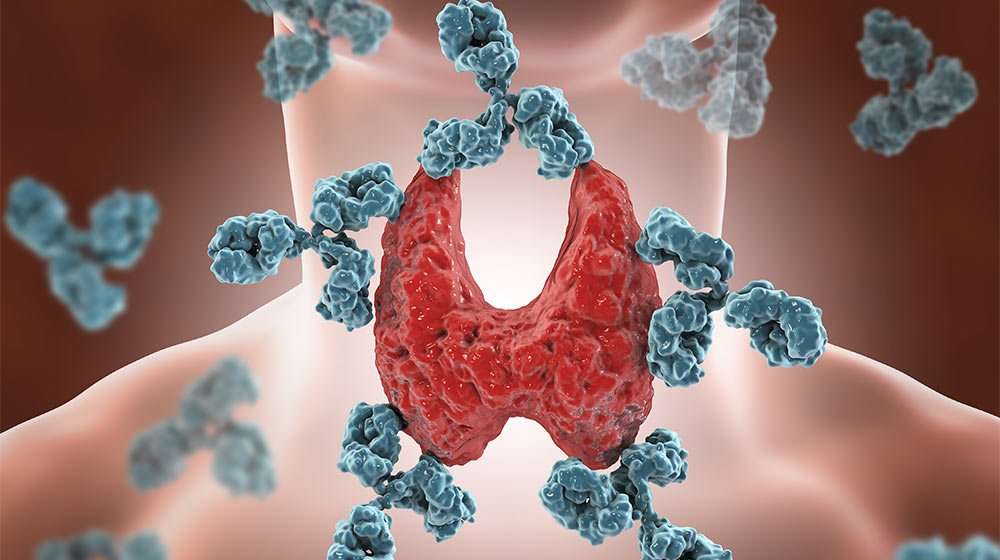
Managing weight loss with autoimmunity and immunomediated diseases can feel like an uphill battle, especially with immunomodulatory treatment and steroid prednisone. Many people struggle to shed pounds while dealing with the challenges of their chronic condition and autoimmune disorder through a weight loss program or surgical weight loss. Traditional diets often fall short in a weight loss program, leaving frustration and autoimmune symptoms in their wake.
However, there are effective strategies tailored for those facing these unique hurdles, such as a weight loss program for managing autoimmune symptoms related to an autoimmune disorder or autoimmune disease. Understanding your body’s needs is crucial. It’s not just about cutting calories; it’s about nourishing yourself in a way that supports your immune system, especially if you have an autoimmune disorder or autoimmune disease. This post will explore practical tips and insights to help you navigate this journey successfully. You deserve to feel good in your skin, even when dealing with autoimmune challenges.
Key Takeaways
- Understand how autoimmune conditions can impact weight management by learning about specific diseases like rheumatoid arthritis and inflammatory bowel disease. This knowledge helps tailor your approach to weight loss.
- For rheumatoid arthritis, an autoimmune disease, focus on low-impact exercises and anti-inflammatory diets to help control weight while managing symptoms.
- If you have inflammatory bowel disease, consider a balanced diet that minimizes flare-ups and promotes overall gut health to support weight management.
- Lupus patients, who are dealing with an autoimmune disease, should prioritize a tailored exercise plan and nutrient-rich foods, as these can aid in achieving and maintaining a healthy weight.
- Recognize that both physical and psychological factors play significant roles in weight loss; seek support from healthcare professionals or support groups if needed.
- Be aware of biological mechanisms, such as neuroendocrine modulation and neuropeptides, that may affect your body’s weight regulation, as understanding these can inform your weight loss strategies.
Understanding Autoimmune Conditions and Weight Management
Chronic Nature
Autoimmune conditions are chronic disorders. They often require ongoing management. Patients face daily challenges with symptoms that can vary in intensity. These conditions occur when the immune system mistakenly attacks healthy cells. This can lead to inflammation and damage to various body systems. Managing these symptoms is crucial for maintaining a healthy life.
Many people with autoimmune disorders, such as autoimmune thyroiditis, struggle with weight management. The body’s metabolism may slow down due to hormonal imbalances. This makes it harder to lose weight. Fatigue and pain can also limit physical activity. A tailored approach is necessary for effective weight loss.
Treatment Methods
Medications play a significant role in managing autoimmune conditions. Doctors often prescribe immunosuppressants to reduce the autoimmune response. These medications help control symptoms but come with risks. Some common options include corticosteroids like prednisone. While they can be effective, they also have side effects.
Physical therapy helps improve mobility and strength. It can assist patients in maintaining a healthy weight. Therapists design personalized exercise programs to fit individual needs. Supplements may also support overall health. Nutritional immunology focuses on how diet affects the immune system. Many nutritional immunologists recommend anti-inflammatory diets rich in whole foods.
Side Effects of Medications
Prednisone, a widely used medication, has notable side effects. One major concern is weight gain. It can cause an increase in appetite and fat accumulation, particularly around the abdomen. This effect complicates weight management efforts for those already struggling with their health.
Increased infection risk is another potential side effect of prednisone and similar drugs. Suppressing the immune system can leave patients vulnerable to infections. This makes it vital for individuals to monitor their health closely while on these medications.
Patients should communicate openly with healthcare providers about any concerns regarding treatment plans. Adjustments may be necessary based on individual responses to medication.
Rheumatoid Arthritis and Weight Control
Impact on Pain
Rheumatoid arthritis (RA) affects many individuals. Studies show that a 10% weight loss can significantly reduce pain and fatigue in arthritis patients. This reduction occurs because less weight means less stress on the joints. With lower stress, inflammation decreases. Patients often report feeling better overall.
Weight loss also leads to improved joint function. When joints move more freely, daily activities become easier. This change can enhance quality of life for those with RA. Patients who maintain a healthy weight may experience fewer flare-ups and improved mobility.
Joint Function Improvement
Effective weight management improves joint function. Losing excess pounds helps reduce pressure on the knees, hips, and ankles. This reduction allows for smoother movement and less discomfort during physical activities.
In a study published in the journal Arthritis Care & Research, researchers found that RA patients who lost weight experienced better physical functioning. They could perform tasks like walking or climbing stairs more easily. Improved joint function leads to greater independence in daily life.
Risk Reduction
Maintaining a healthy weight reduces the risk of developing rheumatoid arthritis. Research indicates that obesity is a significant risk factor for RA. Excess body fat can lead to systemic inflammation, which may trigger autoimmune responses.
By managing weight effectively, individuals can lower their chances of developing RA or other autoimmune conditions like psoriatic arthritis. A balanced diet and regular exercise are essential components of this strategy.
Role of Steroids
Many arthritis patients use steroids like prednisone for treatment. While these medications help manage symptoms, they can contribute to weight loss resistance. Steroid use often leads to increased appetite and fat retention. This effect makes it challenging for patients to lose weight.
Patients should discuss concerns about weight gain with their healthcare providers. Together, they can create a plan that addresses both medication needs and weight management goals.
Managing Weight with Inflammatory Bowel Disease
Weight Loss Benefits
Weight loss can significantly help those with inflammatory bowel disease (IBD). Studies show that a 10% reduction in weight can lead to less abdominal pain and diarrhea in patients with Crohn’s disease. This improvement occurs because losing excess weight reduces pressure on the digestive system.
Many IBD sufferers report feeling better overall after shedding extra pounds. Less discomfort allows them to engage more in daily activities. They often experience a boost in energy levels and mood, enhancing their quality of life.
Quality of Life Improvement
Quality of life improves as patients manage their weight effectively. Many individuals with IBD struggle with symptoms like fatigue and discomfort. Losing weight may lessen these symptoms, leading to better physical and mental health.
Patients often find that they can eat more foods without triggering inflammation when they lose weight. A balanced diet helps maintain stable energy levels. This shift contributes to increased social interactions and improved emotional well-being.
Risk Reduction
Research indicates a link between weight management and a lower risk of developing IBD. Maintaining a healthy weight may reduce systemic inflammation in the body. Chronic inflammation is a significant factor in the onset of inflammatory diseases.
Individuals who manage their weight through nutritional interventions might protect themselves against IBD. An integrative dietitian can guide patients in creating an anti-inflammatory diet plan tailored to their needs. Such plans focus on reducing unwanted inflammation while promoting overall health.
Nutritional Interventions
Nutritional interventions play a crucial role in managing IBD symptoms. Foods that promote reduced inflammation can help alleviate some effects of the disease. Emphasizing whole foods, like fruits, vegetables, and lean proteins, supports immune function.
Certain medications also assist in managing inflammation but come with side effects. Patients should consult their healthcare providers about the best approach. Combining medication with dietary changes often leads to better outcomes for those living with IBD.
Weight Loss Strategies for Lupus Patients
Positive Impact
Research shows that a 10% weight loss can significantly improve symptoms in lupus patients. This reduction can lead to decreased fatigue, pain, and joint stiffness. For example, a patient weighing 200 pounds could benefit from losing just 20 pounds. Many report feeling more energetic and less hindered by their symptoms after achieving this goal.
Losing weight also helps manage inflammation. Studies suggest that excess weight can worsen the autoimmune response in lupus erythematosus. By maintaining a healthier weight, individuals may experience fewer flare-ups and better overall health.
Importance of Management
Weight management is crucial for lupus patients. It lowers the risk of developing other health issues, such as heart disease and diabetes. These conditions often accompany lupus and can complicate treatment plans. A balanced weight can help reduce the severity of lupus symptoms as well.
Maintaining a healthy weight may decrease the need for medications that have side effects related to weight gain. Patients should focus on this aspect of their health to improve long-term outcomes.
Practical Strategies
Implementing practical weight loss strategies can be beneficial for those with lupus. Here are some suggestions:
- Balanced Diet: Focus on whole foods like fruits, vegetables, lean proteins, and whole grains. Avoid processed foods high in sugar and unhealthy fats.
- Regular Exercise: Engage in low-impact activities such as walking, swimming, or cycling. Exercise can enhance mood and energy levels while helping manage weight.
- Set Realistic Goals: Aim for gradual weight loss rather than drastic changes. Setting small, achievable goals can help maintain motivation.
- Stay Hydrated: Drinking enough water is essential for overall health and can aid in weight loss efforts.
- Monitor Progress: Keep track of food intake and exercise routines. This practice helps identify patterns and areas needing improvement.
- Seek Support: Joining a support group or working with a dietitian can provide encouragement and expert guidance tailored to individual needs.
- Consult Healthcare Providers: Regular check-ups with healthcare professionals ensure that any weight loss plan aligns with medical advice specific to lupus management.
Effective Weight Loss Methods for Autoimmune Disorders
Peptide Therapy
Peptide therapy is gaining attention in weight loss management. One notable peptide is semaglutide. This medication mimics a hormone that regulates appetite. Studies show that semaglutide can lead to significant weight loss in patients. It helps control hunger and promotes feelings of fullness. This makes it easier for individuals with autoimmune disorders to manage their weight.

Semaglutide is not a standalone solution. It works best when combined with other methods. Patients should consult their doctors before starting any new treatment. Medical professionals can provide tailored advice based on individual health needs.
Diet and Exercise
Diet plays a crucial role in weight management for those with autoimmune conditions. The autoimmune protocol diet focuses on eliminating inflammatory foods. This diet encourages the intake of whole, nutrient-dense foods. Foods like vegetables, lean proteins, and healthy fats are emphasized. These choices can help reduce inflammation and support overall health.
Exercise also contributes significantly to weight loss. Regular physical activity boosts metabolism and helps maintain muscle mass. Simple activities like walking or swimming can be effective. A combination of aerobic exercises and strength training yields the best results.
Lifestyle changes further enhance weight management efforts. Stress reduction techniques such as yoga or meditation can help improve well-being. Sleep hygiene is essential too; adequate rest supports metabolic health.
Physician Monitoring
Monitoring by healthcare professionals is vital during weight loss efforts. Physicians help track progress and adjust plans as needed. They ensure that patients follow safe practices while managing their weight.
Without proper oversight, there’s a risk of weight regain after losing pounds. Medical experts can identify potential issues early on. They provide support and resources to maintain long-term success.
Autoimmune conditions often complicate weight management strategies. Each patient’s journey is unique, requiring personalized approaches. Regular check-ins with healthcare providers keep motivation high and goals realistic.
Physical and Psychological Factors in Weight Loss
Stress Management
Stress plays a crucial role in weight management for patients with autoimmune conditions. High stress levels can lead to weight gain issues. Stress triggers the release of cortisol, a hormone that can increase appetite and cravings for unhealthy foods.
Emotional well-being is essential. Patients often experience anxiety or depression due to their conditions. These feelings can affect their ability to stick to a weight loss program. Studies show that managing stress through mindfulness or therapy can help improve weight loss efforts.
Physical Activity
Engaging in physical activity is vital for both physical and mental health. Regular exercise helps burn calories, which supports significant weight loss. It also strengthens muscles and improves overall fitness.
Research indicates that exercise releases endorphins, which enhance mood and reduce symptoms of depression. Patients who stay active report feeling better emotionally. They also find it easier to manage their weight.
Doctors recommend tailored exercise programs for those with autoimmune conditions. Activities like walking, swimming, or yoga can be beneficial. These exercises are low-impact and less likely to cause injury while promoting fat loss.
Support Systems
A strong support system is key to achieving weight loss goals. Friends, family, or support groups provide encouragement and accountability. They can motivate patients to stick to their diet and exercise plans.
Studies highlight the importance of social connections in weight management. Patients with supportive relationships tend to experience better outcomes in their weight loss journey. Sharing experiences and challenges with others can lead to better coping strategies.
Patients may consider joining local or online support groups focused on autoimmune conditions. These groups offer a platform for sharing tips and strategies for managing weight effectively.
Dietary Changes
Diet plays an important role in managing weight for autoimmune patients. Adopting an anti-inflammatory diet may help reduce symptoms while aiding in fat loss. This diet includes whole foods, lean proteins, fruits, vegetables, and healthy fats.
Avoiding processed foods and sugars can also significantly impact weight management. Such foods can trigger inflammation, making it harder to lose weight. Patients should consult nutritionists for personalized dietary advice.
Biological Mechanisms Affecting Weight in Autoimmune Conditions
Metabolism Changes
Autoimmune conditions can significantly alter metabolism. The immune system attacks the body, leading to changes in how energy is used. For example, conditions like rheumatoid arthritis can increase metabolic rates due to ongoing inflammation. This means the body may burn calories faster but still struggle with weight management.
Fat storage also becomes problematic. Inflammation can lead to increased fat accumulation, particularly around the abdomen. This type of fat is more metabolically active and can contribute to further health issues. As a result, individuals with autoimmune diseases often find it hard to lose weight despite dietary efforts.
Inflammation’s Role
Inflammation plays a crucial role in weight gain and loss. Chronic inflammation disrupts normal bodily functions. It can lead to insulin resistance, making it harder for the body to use glucose effectively. Insulin resistance often results in weight gain as the body stores more fat.
Inflammation affects hunger hormones. Increased levels of certain cytokines can suppress appetite regulation. This may cause fluctuations in hunger, leading some people to overeat or undereat without realizing it. Managing inflammation through diet and medication can help stabilize these effects.
Hormonal Imbalances
Hormonal imbalances are common in individuals with autoimmune conditions. These imbalances can complicate weight management efforts. For instance, cortisol levels may rise due to stress from chronic illness. Elevated cortisol promotes fat storage, especially in the abdominal area.
Thyroid hormones also play a key role. Conditions like Hashimoto’s thyroiditis can slow down metabolism, making it difficult to lose weight. The body’s energy expenditure decreases when thyroid hormones are low. This creates a cycle where weight loss becomes increasingly challenging.
Adrenal hormones can also be affected by autoimmune diseases. Stress and fatigue can lead to adrenal fatigue, further complicating hormone balance. This imbalance can create cravings for unhealthy foods, leading to weight gain.
Neuroendocrine Modulation and Body Weight Regulation
Appetite Control
The neuroendocrine system plays a crucial role in regulating appetite and metabolism. It consists of hormones and neurotransmitters that communicate between the brain and various body organs. These signals help control hunger, energy expenditure, and fat storage.
Leptin and ghrelin are two key hormones involved in this process. Leptin, produced by fat cells, signals fullness to the brain. Ghrelin, made in the stomach, stimulates appetite. A balance between these hormones is essential for maintaining a healthy weight.
Autoimmune Impact
Autoimmune conditions can disrupt neuroendocrine function. For instance, conditions like rheumatoid arthritis or lupus may alter hormone levels. This disruption can lead to increased appetite or decreased metabolism.
Inflammation often accompanies autoimmune diseases. This inflammation affects how the body responds to hormones. As a result, individuals may experience challenges in regulating their weight effectively.
Research indicates that chronic inflammation can impair leptin signaling. When leptin doesn’t work properly, it may cause overeating and weight gain.
Treatment Options
Several potential treatments target neuroendocrine pathways to aid weight loss. One promising option is semaglutide. Approved for weight management, semaglutide mimics GLP-1, a hormone that promotes feelings of fullness.
Studies show that semaglutide can significantly reduce body weight in individuals with obesity. This medication helps improve metabolic health as well. It may be particularly beneficial for those with autoimmune conditions struggling with weight loss.
Regular exercise also plays a vital role in managing body weight. Physical activity boosts metabolism and helps regulate hormone levels. Engaging in consistent exercise can enhance the effectiveness of treatments like semaglutide.
Role of Neuropeptides in Autoimmune Diseases
Function of Neuropeptides
Neuropeptides play a crucial role in the immune response. They act as signaling molecules that regulate inflammation. These peptides can influence various immune cells, including T cells and macrophages. Research shows that they help maintain immune homeostasis. This balance is vital for preventing excessive immune reactions in autoimmune diseases.
Certain neuropeptides also modulate the activity of TH1 cells, which are linked to Th1 autoimmunity. This type of immunity can lead to tissue damage in autoimmune conditions. By regulating these pathways, neuropeptides may help reduce inflammation and support better health outcomes.
Influence on Hunger and Satiety
Neuropeptides significantly affect hunger and satiety signals in the body. They help control appetite by sending messages to the brain. For example, neuropeptide Y (NPY) stimulates hunger, while others like leptin promote feelings of fullness.
In people with autoimmune diseases, these signals can be disrupted. Chronic inflammation may alter how neuropeptides function. This disruption can lead to increased appetite or difficulty feeling satisfied after eating. Understanding these changes is essential for effective weight management strategies.
Targeted Therapies for Weight Management
Research is ongoing into neuropeptide-targeted therapies for weight management in autoimmune conditions. Scientists explore how manipulating these peptides could aid in controlling weight. Some studies suggest that targeting specific neuropeptides may help restore balance in appetite regulation.
For instance, using immunosuppressant drugs alongside neuropeptide therapies shows promise. These treatments could improve immune function while managing weight more effectively. Early research indicates that combining therapies might enhance overall treatment outcomes for people with autoimmune diseases.
e clinical trials focus on peptide-based medications that target hunger signals directly. These innovative approaches aim to provide relief from symptoms while promoting healthy weight loss.
Summary
Managing weight loss with autoimmune conditions can be challenging, but understanding the unique factors at play is crucial. From rheumatoid arthritis to lupus, each condition requires tailored strategies that consider both physical and psychological aspects. You’ve learned about effective methods and biological mechanisms influencing weight.
Focus on your health journey by implementing these strategies. Prioritize balanced nutrition and regular exercise tailored to your needs. Stay informed and connect with healthcare professionals for personalized guidance. Your path to effective weight management starts today—take charge and explore these insights further.
Frequently Asked Questions
What autoimmune conditions affect weight management?
Conditions like rheumatoid arthritis, lupus, and inflammatory bowel disease can significantly impact weight management due to inflammation, medication side effects, and lifestyle changes.
How does rheumatoid arthritis influence weight control?
Rheumatoid arthritis can lead to joint pain and fatigue, making physical activity difficult. This can result in weight gain or difficulty losing weight.
Can inflammatory bowel disease (IBD) cause weight loss?
Yes, IBD can lead to malabsorption of nutrients, chronic diarrhea, and decreased appetite, often resulting in unintended weight loss.
What are effective weight loss strategies for lupus patients?
Lupus patients should focus on a balanced diet rich in anti-inflammatory foods, regular low-impact exercise, and consulting healthcare providers for personalized plans.
How do psychological factors impact weight loss in autoimmune conditions?
Stress and depression are common in autoimmune diseases. These factors can hinder motivation and adherence to weight loss plans, making support essential.
What biological mechanisms affect weight in autoimmune conditions?
Inflammation alters metabolism and appetite regulation. Hormonal changes due to autoimmune activity can also impact body weight and fat distribution.
How do neuropeptides relate to body weight regulation in autoimmune diseases?
Neuropeptides influence hunger and energy expenditure. In autoimmune diseases, their dysregulation may contribute to abnormal weight gain or loss.
