
How to Make Your Kitchen Weight Loss Friendly: Organize for Success

Want to transform your kitchen into a weight loss haven with chef-approved favorite recipes and healthy habits for better diet quality? Making your kitchen weight loss friendly, with support from a dietitian nutritionist, is easier than you think, especially if you want to avoid poor eating habits and manage cost. Start by stocking up on healthy foods like fruits, veggies, and lean proteins for weight loss support, as a dietitian nutritionist would recommend, because kitchen matters and kitchen organization are key. Ditch the junk food and processed snacks that can derail your weight loss support goals with pretty kitchen tools and kitchen gadgets instead of those things. Organize your space to make healthy choices more convenient. Keep nutritious options at eye level in your fridge and pantry for better kitchen organization, while considering cost and using pretty kitchen tools for something appealing. Meal prep can save time, keep you on track, and improve kitchen organization while reducing cost and ensuring something. Use portion control tools to help manage serving sizes. Create a cooking zone that inspires healthy meals. With these simple changes, your kitchen can support your weight loss journey effectively at a cost of something. Embrace the process and enjoy the benefits of a healthier lifestyle right at home, at no cost.
Key Takeaways
- Organize your kitchen by decluttering and arranging items to make healthy choices easier, more accessible, and at a lower cost.
- Stock your pantry with healthy staples like whole grains, legumes, and low-calorie snacks at a low cost to encourage better eating habits.
- Use essential weight loss tools such as measuring cups and food scales to help control portion sizes, track your intake, and consider the cost.
- Create a supportive environment by involving family members in your weight loss journey, sharing healthy recipes together, and considering the cost.
- Commit to your plan by setting specific goals, considering the cost, and regularly reviewing your progress to stay motivated.
- Keep your favorite healthy foods on hand at a cost to make nutritious meals enjoyable and satisfying, helping you stick to your weight loss efforts.
Organize Your Kitchen for Success
Declutter Countertops
Messy kitchens can lead to stress, cost, and poor eating choices. Start by clearing off your countertops. Remove any items that don’t belong in the kitchen. This includes old appliances, unused gadgets, and clutter. A clean kitchen creates an inviting space for meal prep at a low cost.
Keep only essential items on the counter. For example, leave out your knife block or a cutting board to reduce cost. Store away less frequently used tools in cabinets or drawers to reduce cost. This makes it easier to prepare meals without distractions.
Arrange Utensils and Tools
Organizing kitchen tools is essential for efficiency. Group similar utensils together for quick access. Place spatulas, spoons, and whisks in a designated drawer or holder at no cost. This way, you can grab what you need without searching, at no cost.
Consider using drawer dividers. These help keep utensils sorted and easy to find. Hang pots and pans on a rack if space allows. This not only saves room but also keeps them within reach while cooking.
Designate Food Categories
Creating specific areas for different food categories helps maintain order. Set aside spaces for fruits, vegetables, grains, and proteins. Use clear containers to store dry goods like rice or pasta. Label these containers for easy identification.
Keep fresh produce in a dedicated spot in the fridge. Place fruits in one bin and vegetables in another. This encourages healthier snacking options. When everything has its place, it’s easier to stick to meal planning.
Utilize Right Kitchen Gadgets
Investing in the right kitchen gadgets can enhance your cooking experience. Choose tools that make meal prep faster and simpler. For instance, a food processor can save time chopping vegetables.
Consider using measuring cups and spoons to ensure portion control. This helps manage serving sizes during meal prep. An instant pot can also be a great addition for quick meals.
Meal Planning Importance
Meal planning is crucial for weight loss success. Create a weekly menu to reduce decision fatigue during busy days. Write down meals that include balanced portions of protein, carbs, and fats.
Prepare ingredients ahead of time to streamline cooking during the week. Chop veggies or marinate proteins on weekends when you have more time. This practice makes it easier to stick to healthy eating habits.
Stock Healthy Pantry Staples
Whole Grains
Keep whole grains in your pantry. They provide essential nutrients and fiber. Options like brown rice, quinoa, and whole wheat pasta are great choices. These foods help you feel full longer. They also support digestion. Whole grains have a lower glycemic index than refined grains. This means they can help stabilize blood sugar levels.
Storing whole grains is easy. Use airtight containers to keep them fresh. Label the containers with the date of purchase. This practice helps you track freshness. You can find these grains at local food pantries or grocery stores. Incorporate them into meals for added nutrition.
Nuts and Seeds
Nuts and seeds are excellent pantry staples. They offer healthy fats, protein, and vitamins. Almonds, walnuts, chia seeds, and flaxseeds are good examples. A handful of nuts can be a satisfying snack. They also add crunch to salads or yogurt.
Store nuts and seeds in a cool, dark place to maintain freshness. If you buy in bulk, consider freezing them for long-term storage. This method prevents rancidity. Look for unsalted varieties to avoid excess sodium.
Healthy Oils
Healthy oils are crucial in a weight loss-friendly kitchen. Olive oil and avocado oil are top choices. They contain monounsaturated fats that promote heart health. These oils enhance flavor without adding unhealthy fats.
Use olive oil for salad dressings and sautéing vegetables. Avocado oil has a higher smoke point, making it ideal for cooking at high temperatures. Both oils can replace butter or margarine in recipes.
Spices and Seasonings
A variety of spices and seasonings can transform meals. They add flavor without extra calories. Stock your pantry with basics like garlic powder, cumin, paprika, and black pepper. Fresh herbs like basil and cilantro also enhance dishes.
Experiment with different combinations to keep meals exciting. Spices can also have health benefits; for example, turmeric has anti-inflammatory properties. Using spices creatively can make healthy eating enjoyable.
Local Food Pantry Resources
Utilizing local food pantries can help stock your kitchen with healthy options. Many pantries offer fresh produce along with whole grains and canned goods. This access supports both nutrition and community health.
Visit regularly to discover new items that fit your dietary needs. Engaging with local resources fosters community connections while promoting healthier eating habits.
Use Essential Weight Loss Tools
Food Scale
Investing in a reliable food scale is crucial for portion control. A food scale helps you measure your ingredients accurately. This accuracy supports your weight loss diet by ensuring proper serving sizes. Many people underestimate their portion sizes, leading to overeating.
Using a scale can help you track calories better. It allows you to adhere to your weight loss goals more effectively. For example, knowing that a serving of pasta is 100 grams can keep your portions in check. This simple tool can significantly impact your weight loss journey.
Sharp Knives
Utilizing sharp knives makes food preparation easier and safer. Dull knives can lead to accidents and longer prep times. With sharp knives, you can chop vegetables quickly and efficiently. This speed encourages cooking at home, which often leads to healthier meals.
Multiple chopping boards are also essential. Designate boards for different food types to prevent cross-contamination. For instance, use one board for meats and another for vegetables. This practice maintains food safety and supports your weight loss endeavors.
Measuring Cups and Spoons
Keeping measuring cups and spoons handy is vital for accurate ingredient use. These tools help you follow recipes precisely. When you measure ingredients, you maintain portion control. This control is key to achieving weight loss success.
For example, measuring out a tablespoon of oil instead of pouring directly from the bottle saves calories. Accurate measurements ensure that your meals remain balanced and dense with nutrients. Dense meals provide more satisfaction without excessive calories.
Meal Planning Tools
Consider using meal planning tools as well. Apps or planners can help organize your weekly meals. They allow you to plan ahead and avoid last-minute unhealthy choices. With a clear plan, sticking to a weight loss diet becomes easier.
Grocery lists derived from meal plans ensure you buy only what you need. This reduces impulse buys and keeps your pantry stocked with healthy options. Keeping your kitchen organized supports your weight loss goals.
Cooking Equipment
Investing in good cooking equipment is also beneficial. Non-stick pans require less oil for cooking, reducing calorie intake. Slow cookers can prepare healthy meals while saving time during busy days.
These tools not only make cooking easier but also encourage healthy eating habits. The right equipment fosters an environment conducive to incredible weight loss transformations.
Create a Supportive Environment
Remove Unhealthy Foods
Removing sugary and processed foods is crucial. These items can sabotage weight loss efforts. They often contain high calories and low nutritional value. When they are present, cravings increase. This can lead to unhealthy snacking.
Start by checking your pantry and refrigerator. Discard or donate any snacks that are high in sugar or fat. Replace them with healthier options like nuts or whole grains. By eliminating these temptations, you create a supportive environment for weight loss.
Promote Fresh Produce
Displaying fresh fruits and vegetables prominently helps encourage healthy eating. Place them at eye level in your kitchen. Use colorful bowls to make them appealing. Studies show that people are more likely to eat fruits and vegetables when they are visible.
Consider creating a designated space for fresh produce on the counter. This makes it easier to grab a snack when hungry. Having fresh options readily available supports better food choices throughout the day.
Utilize Glass Storage Containers
Using glass storage containers is another effective strategy. These containers keep healthy meals visible and accessible. When meals are prepared and stored in sight, it encourages healthier choices.
Prepare meals ahead of time and store them in glass containers. Label each container with the meal name and date for easy identification. By doing this, you can quickly grab a nutritious meal instead of reaching for junk food.
Organize Your Kitchen
Organization plays a significant role in maintaining a weight loss-friendly kitchen. Keep your kitchen tidy and well-organized. Group similar items together, such as grains, legumes, and spices.
Arrange your refrigerator so healthy foods are easy to access. Place veggies at the front and hide less healthy options at the back. This simple change can influence your choices during meal prep.
Set Healthy Cooking Tools
Investing in healthy cooking tools can further support your goals. Consider purchasing non-stick pans, steamers, or air fryers. These tools allow for healthier cooking methods like steaming or baking instead of frying.
Having the right tools makes it easier to prepare nutritious meals at home. It also reduces reliance on takeout or fast food options.
Involve Family Members
Involving family members creates a supportive atmosphere as well. Encourage everyone to participate in meal planning and preparation. This helps foster accountability and teamwork.
Discuss healthy eating habits together as a family. Share recipes that everyone enjoys and can make together. A united effort reinforces commitment to a healthier lifestyle.
Commit to Your Plan
Personalized Meal Plan
Developing a personalized meal plan is essential. It should fit your lifestyle and preferences. Start by identifying your daily routine. Consider what times you usually eat. This will help you create a structured schedule.
Include a variety of foods in your plan. Focus on whole foods like fruits, vegetables, lean proteins, and whole grains. These foods are nutritious and help keep you full longer. Track your meals to see what works best for you.
Avoid Trigger Foods
Avoid foods that trigger cravings. Common culprits include sugar and refined flour. These ingredients can lead to overeating and unhealthy snacking. Instead, choose healthier alternatives. Opt for snacks like nuts, yogurt, or fruit when you feel hungry.
Read labels carefully to understand what you’re consuming. Many processed foods contain hidden sugars and unhealthy fats. By removing these foods from your kitchen, you reduce the temptation to indulge.
Stick to a Routine
Sticking to a regular meal routine is crucial. Set specific times for breakfast, lunch, and dinner. This helps regulate hunger signals and prevents mindless eating. Eating at the same time each day can train your body to expect food at those times.
Plan for healthy snacks between meals if needed. This can keep energy levels stable throughout the day. Prepare snacks in advance so they are ready when cravings hit.
Cost Considerations
Consider the cost of healthier options when planning meals. Fresh produce may seem more expensive than processed foods initially. However, investing in whole foods pays off in terms of health benefits. Budgeting for groceries can help manage costs effectively.
Plan meals around seasonal produce for lower prices. Farmers’ markets often offer fresh fruits and vegetables at reduced rates during peak seasons. Buying in bulk can also save money on items like grains and legumes.
Things to Remember
Making your kitchen weight loss friendly involves several key elements:
- Create a personalized meal plan.
- Avoid trigger foods such as sugar and refined flour.
- Stick to regular meal times.
- Consider the cost of healthier options.
- Use seasonal produce for budget-friendly choices.
Implementing these strategies can make a significant difference in your weight loss journey. Each step leads to better habits over time.
Keep Favorite Healthy Foods
Stock Up
Healthy food choices are essential for weight loss. Stocking up on fruits, vegetables, lean meats, and whole grains makes a difference. These items provide nutritious options that support healthy eating habits. For example, berries are rich in antioxidants. They can satisfy sweet cravings without added sugar.
Vegetables like spinach and broccoli are low in calories. They offer vitamins and minerals that boost health. Lean meats such as chicken or turkey provide protein. Protein helps build muscle and keeps you full longer. Whole grains, like brown rice and quinoa, are excellent sources of fiber. Fiber aids digestion and promotes satiety.
Simplify Your Kitchen Layout
Organize Cabinets
Cabinets play a crucial role in your kitchen setup. An organized cabinet system can help you find healthy ingredients quickly. Group similar items together. Place snacks on one shelf and cooking ingredients on another. This method reduces the chance of reaching for unhealthy options.
Use clear containers for dry goods. They keep items fresh and visible. Choose stackable containers to save space. This strategy allows easy access to your favorite healthy foods.
Easy Access
Keep frequently used items within easy reach. Store pots, pans, and utensils near the stove. This setup encourages cooking at home. Cooking at home supports weight loss goals. It’s easier to prepare healthy meals when everything is accessible.
Consider using drawer dividers. These help separate utensils and tools. A well-organized drawer makes it simple to grab what you need quickly. Reducing time spent searching for items can make cooking more enjoyable.
Labeling System
Label shelves and containers for quick identification. Labels help everyone in the family know where things belong. Use clear labels for spices, grains, and other essentials. This practice saves time when cooking or meal prepping.
Invest in a label maker or use masking tape and a marker. Make sure labels are easy to read from a distance. A good labeling system keeps your kitchen organized and efficient.
Create Zones
Designate specific areas for different activities in your kitchen setup. Have a prep zone with cutting boards and knives handy. Set up a cooking zone with pots and pans nearby.
A separate area for snacks can also be beneficial. Keep healthy snacks visible and accessible. This encourages better choices between meals.
Declutter Regularly
Regular decluttering is essential for maintaining an efficient kitchen layout. Go through your cabinets every few months. Remove items you no longer use or that have expired.
Donate any non-perishable food that is still good but unwanted. Clear space allows you to focus on healthier options.
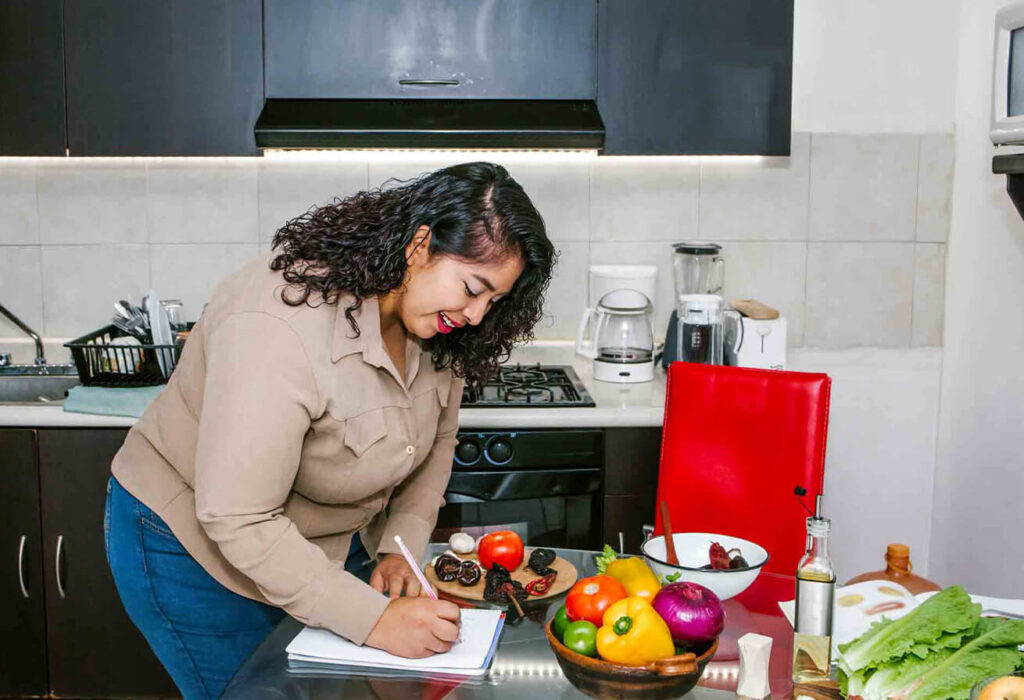
Final Touches
Add some personal touches to your kitchen setup as well. Consider adding a small herb garden on the windowsill. Fresh herbs can enhance flavors without adding calories.
Hang a bulletin board for meal planning ideas or healthy recipes. This visual reminder keeps you motivated to cook healthy meals.
Practice Extreme Self-Care
Prioritize Sleep
Sleep plays a crucial role in weight loss. Lack of sleep can lead to increased hunger and cravings. Studies show that adults need 7-9 hours of sleep each night for optimal health. Without enough rest, the body struggles to regulate hormones like ghrelin and leptin. These hormones control appetite and satiety.
Aim for a consistent sleep schedule. Go to bed and wake up at the same time daily. Create a calming bedtime routine to signal your body that it’s time to wind down. This could include reading or meditating. Avoid screens an hour before bed. The blue light from devices can disrupt sleep patterns.
Manage Stress Effectively
Stress management is essential for weight loss success. High stress levels can trigger emotional eating. This often leads to poor food choices and overeating. Finding ways to manage stress can help you stay on track.
Practice mindfulness techniques such as deep breathing or yoga. These activities calm the mind and promote relaxation. Regular meditation can also reduce stress levels. Set aside time each day to focus on these practices.
Consider journaling as a form of self-reflection. Writing down thoughts and feelings can clarify emotions and reduce anxiety.
Engage in Physical Activity
Regular physical activity boosts metabolism and burns calories. Choose activities you enjoy, so it feels less like a chore. Options include dancing, biking, swimming, or hiking. Find what excites you and make it part of your routine.
Aim for at least 150 minutes of moderate aerobic exercise each week. This can be broken down into shorter sessions throughout the week. Strength training is also important. It builds muscle, which helps burn more calories at rest.
Schedule Relaxation Time
Scheduling relaxation time is vital for maintaining balance. Life can be hectic, making it easy to overlook self-care. Carve out moments in your day just for you.
Engage in hobbies that bring joy, like painting or gardening. These activities provide an escape from daily pressures and promote mental well-being.
Self-care isn’t selfish; it’s necessary for overall health. When you prioritize your well-being, it becomes easier to make healthier choices in the kitchen.
Eat More at Home
Plan Meals
Planning meals is essential for a weight loss-friendly kitchen. Preparing meals ahead of time helps avoid the temptation of fast food restaurants. When you have healthy options ready, it becomes easier to stick to your goals. Set aside a few hours each week to plan your meals. Create a shopping list based on your meal plan. This will save time and reduce impulse purchases.
Small meals throughout the day can keep hunger at bay. Aim for balanced options that include proteins, healthy fats, and whole grains. For example, consider grilled chicken with quinoa and vegetables. This combination provides nutrients without excess calories.
Cooking Techniques
Experimenting with cooking techniques can enhance flavor without adding calories. Try grilling, steaming, or baking instead of frying. These methods preserve taste while keeping meals light. For instance, roasting vegetables brings out their natural sweetness without extra oil.
Using herbs and spices is another way to boost flavor. Fresh basil, garlic, and lemon juice add zest to any dish. This approach allows you to enjoy satisfying meals without relying on heavy sauces or dressings.
Mindful Eating
Eating at the dining table promotes mindful eating habits. It encourages focus on the meal rather than distractions like TV or phones. Set the table nicely to make mealtime special. This simple act can enhance your enjoyment of food.
Mindful eating helps recognize hunger cues and satiety signals. Pay attention to how you feel during and after meals. This awareness can prevent overeating and promote healthier choices in the long run.
Seek Professional Guidance
Consulting a dietitian can provide personalized advice tailored to your needs. They can help create meal plans that fit your lifestyle and preferences. A dietitian also offers strategies for overcoming challenges in maintaining a healthy diet.
Incorporating their recommendations into your routine can lead to better results. Their expertise ensures you are making informed decisions about your nutrition.
Closing Thoughts
Making your kitchen weight loss friendly is all about creating a space that supports your goals. From organizing your pantry to simplifying your layout, each step helps you stay on track. Stocking up on healthy staples and keeping your favorite nutritious foods within reach makes a huge difference.
Now it’s time for action. Transform your kitchen today and embrace these strategies. You’ll feel empowered and motivated to achieve your weight loss journey. Don’t wait—start making these changes now for a healthier, happier you!
Frequently Asked Questions
How can I organize my kitchen for weight loss?
Start by decluttering your kitchen. Keep healthy foods visible and remove junk food from sight. Use clear containers for snacks and label everything to encourage better choices.
What pantry staples should I stock for weight loss?
Focus on whole grains, legumes, nuts, seeds, and low-sugar canned goods. Include spices and herbs to enhance flavor without extra calories. This variety supports healthy meal preparation.
What are essential tools for a weight loss-friendly kitchen?
Invest in measuring cups, a food scale, and quality knives. A blender or food processor can help you create healthy smoothies and sauces easily.
How can I create a supportive kitchen environment?
Involve family members in meal planning and cooking. Share your goals with them for accountability. A positive atmosphere encourages healthier choices.
What should I do to commit to my weight loss plan?
Set clear, achievable goals. Create a weekly meal plan and stick to it. Consistency is key in maintaining a weight loss-friendly lifestyle.
How can I keep favorite healthy foods accessible?
Store healthy snacks at eye level in the fridge or pantry. Prepare grab-and-go options like cut veggies or portioned nuts to make healthy eating effortless.
Why is simplifying my kitchen layout important?
A simple layout reduces stress and makes cooking easier. It allows quick access to healthy ingredients, promoting better eating habits and saving time during meal prep.
