Hydration Strategies for Weight Loss in Triple-Digit Heat

Key Takeaways
- Hydration tips for weight loss in triple‑digit temps
- Hydrate, hydrate, hydrate – consume water periodically throughout the day, particularly prior to and during outdoor activities, to avoid dehydration and lassitude.
- Tailor your hydration strategy, whether for weight loss or otherwise, to your unique physiology, activity level, and environment, and modify your intake accordingly.
- Add in natural sources of electrolytes like fruits and vegetables to help keep things balanced and support your physical performance during hot weather.
- Pay attention to your hydration needs — use common sense strategies such as urine color and thirst where possible to monitor your hydration status.
- Defy the myths of conventional hydration wisdom, harness research-backed tactics to power weight loss and well-being in triple-digit temps.
Hydration strategies for weight loss in triple-digit temps refer to how we keep our bodies nourished with water and calories while striving for poundage under the scorched sun. Keeping yourself hydrated not only helps your body cope with the heat, but it helps maintain consistent energy and manage hunger. When we’re in triple-digit weather, we’re expending a lot of water quickly within our sweat, and severe dehydration can result in fatigue or headaches. Hydrating before, during, and after outdoor activity keeps fluids in check. Water-rich foods, such as watermelon and cucumber also assist. Keeping on track with hydration even when you’re not thirsty is key to making strides on both fronts. The core text includes simple steps, typical options, and precautions to monitor, so all plans suit practical demands.
Heat’s Hidden Impact
Heat alters your physiology and makes it difficult to shed pounds. Heat can slow metabolism, increase appetite and exhaust energy. Hydration is critical to combating these impacts — maintaining metabolism, appetite and energy levels.
Metabolism
The body’s primary functions rely on water. As much as 60% of an adult’s body is water, and it is required for every metabolic process. When the skin heats up above 27 °C, even slight dehydration can decelerate metabolism and reduce aerobic capacity. Shedding only 2% of body mass in sweat can reduce aerobic capacity by 10–20%. Hydration cranks metabolism, but when H20 dips, the body hibernates — making losing weight harder. Water-dense foods and drinks that help replace lost fluids keep metabolic rate humming, even in the heat.
Appetite
Water before meals can reduce portion sizes and prevent overeating, because thirst and hunger cues feel nearly identical. Occasionally, when the body requires hydration, it gives confusing impulses that are readily confused with appetite, resulting in additional munching or larger portions. Keeping hydrated tends to both balance cravings and help you make better food choices – particularly on those triple-digit days where your appetite seems to jump for no apparent reason.
When the water levels are low, the brain signals hunger, not thirst — making it all too easy to eat that extra snack or meal. Keeping a water bottle nearby and sipping regularly can help bypass this crossed communiques. Since 80% of our water comes from beverages and the remainder from food, pay attention to both in order to stay fully hydrated.
Energy
When it’s hot, even mild dehydration drops energy quickly. We know from research that aerobic capacity falls with every 1 °C increase in skin temperature, so drinking water is crucial to keep mobile. Dehydration fatigue can be insidious at first, but it accumulates. Sipping water throughout the day — particularly pre, during and post activity — keeps energy consistent and prevents crashes.
Exercising in cooler hours, and light, loose clothes prevents heat stroke and saves your body from over exertion. It’s crucial to monitor sweat loss and water intake during activity, as under- and over-hydration can both be dangerous.
Practical Tips
Use plain water or low-sugar drinks during workouts.
Eat fruit and vegetables with high water content.
Schedule breaks for water, especially outdoors.
Avoid sugary drinks with 6–8% carbs in the heat.
Strategic Hydration Plan
This is key to safe weight loss in extreme heat. Keeping ahead of hydration fuels consistent body function, helps memory and can keep calories in check. Customizing your plan to your climate and activity level keeps you sharp, and helps prevent mild or serious dehydration that can hobble you.
1. Proactive Timing
Hydrate before you go out to help prepare your body for the heat. This step stays you ahead of dehydration, which can wreck your focus, your reflexes, and leave you feeling sloggy.
Program alarms on your phone during the hottest parts of the day. Even a slight decrease in body water—namely, 2%—can make you scatterbrained and forgetful. Strategically spaced water breaks keep your body running smooth and your mind sharp. This habit is supported by research that finds that immediate water consumption can maintain your focus during stressful periods.
2. Consistent Sipping
Instead of slamming back big cups, take strategic sips of water throughout the day. A reusable bottle makes this simple — and ensures water is always close at hand, wherever you are.
Try to imbibe every 20 minutes during outdoor activity. This habit can prevent unexpected hydration crashes, which wreak havoc on motor skills and mood. Constant sipping is especially critical for those laboring or training in hot locations, where sweat output is significant.
Configure a daily goal that fits your schedule. Do supplement with an extra litre or two of water on hotter days — it’s proven to increase urinary output, which further supports your body’s cooling and waste-removal processes.
3. Personalized Volume
Calculate your needs based on your weight, activity and sweating. Individuals who perspire more or are outside for longer may require additional. For instance, a 70 kg individual should begin with roughly 2.5 L per day, but may require more during a heat wave.
Track your intake. Digital apps or just a notebook can assist you in verifying your progress towards these goals. If you find that you’re peeing less, or your pee is dark, that’s your cue to drink more.
4. Pre-Workout Prep
Drink water an hour before your workout.
Add items with high water content, such as melon or cucumber, to pre-workout snacks.
Plan your hydration around your exercise times.
Don’t skip this step.
5. Post-Workout Recovery
Drink water right after exercise.
Feel your hydration with your energy and urine color.
Supplement with electrolyte-rich foods or beverages like bananas or sports drinks.
Electrolyte Balance
Electrolyte balance is crucial for anyone juggling hydration and weight loss under the 38°C sun. They are minerals that assist in maintaining fluid balance, nerve signals, and muscle function. When our bodies sweat more in the heat, they lose these minerals faster, which can trigger cramps, fatigue, or even cognitive disorientation. Electrolytes are just as crucial as H20.
| Electrolyte | Main Function | Food Sources |
|---|---|---|
| Sodium | Keeps fluid balance, nerves | Table salt, olives, bread |
| Potassium | Muscle work, heart health | Bananas, potatoes, spinach |
| Magnesium | Nerves, muscle calm, energy | Nuts, seeds, leafy greens |
| Calcium | Bone health, muscle action | Dairy, tofu, leafy greens |
| Chloride | Helps with fluid balance | Table salt, tomatoes, lettuce |
Why It Matters
Good electrolyte balance prevents your muscles from cramping, allows you to sweat without exhaustion, and maintains consistent energy. If you sweat heavily and don’t replenish these minerals, you can get light-headed or weak.
- Helps water get into cells so you feel hydrated
- Supports muscle and nerve function during exercise
- Lowers risk of heat exhaustion or muscle cramps
- Keeps energy stable so workouts feel easier
- Prevents confusion or weakness in strong heat
Missing electrolytes can manifest as muscle cramps, lethargy, headaches or even fainting. Therefore, it’s likely to sabotage weight loss efforts.
Natural Sources
Fruits and vegetables provide additional water and electrolytes. All of these fruits and vegetables not only hydrate but provide a nice combination of potassium and magnesium, which are electrolytes as well! Eating them raw or in salads is a simple way to stay balanced.
Experiment by mixing a smoothie of coconut water, spinach, banana and a handful of berries. This blend refreshes you and provides a range of minerals. Variety is the key—a different fruit or vegetable each day keeps your bases covered.
When to Supplement
Long workouts, working out of doors or anything that has you sweating buckets — you may need more than just food and water. Electrolyte beverages or tablets will come to your aid should you experience muscle cramps, dark urine, or rapid heart beats.
For the majority, water and nourishment are sufficient. If you work hard or lose lots of fluids, take a balanced supplement. Observe your body – if you’re still fatigued or sore, test whether you need more sodium or potassium.
Debunking Myths
There’s a ton of chatter about how much water to sip, what is considered “adequate” hydration, and what it does for fat loss, particularly when the temperature rises above 38°C. A lot of folks hear that we all need eight glasses of water a day, but the science doesn’t support this. There’s no one size fits all. Hydration requirements move with your stature, exertion, and temperature. If you’re in the heat, or moving around a lot, you may need more. If you’re indoors or more sedentary you could require less. Your body’s thirst is a good guide — heed it. Your thirst is a powerful signal from your body, and for the majority of individuals it’s trustworthy.
Some believe you need sports drinks to keep you hydrated in the heat, but that’s not the case for most. Water works for the most, even in the heat. Sports drinks are handy if you sweat heavily in long or intense workouts, as they replace salt and provide quick energy. For regular mobility, water, as well as foods such as fruit and veggies, suffices.
There’s also concern surrounding caffeinated drinks, such as coffee or tea. Caffeine in large doses can cause you to lose more fluid, but in moderate doses, it doesn’t dehydrate you that much. You don’t have to forgo your morning cup of joe in the sun, just don’t binge on it.
If you’re trying to lose weight, you’ve probably heard that pre-meal water drinking is beneficial. Certain research claims it may keep you from overeating, but the evidence is sparse and varies on an individual basis. What’s more dependable is periodic simple checks, like your urine color. Pale yellow means you’re probably consuming adequate amounts. Dark yellow indicates you might require additional.
Of course, don’t overhydrate. While uncommon, water toxicity can occur—this is when excess water disrupts your body’s salt balance. That’s why balance is key, and why ‘more’ isn’t always better.
The Mind-Body Connection
Hydration does more than assist your body in managing the heat during triple digit temps. It molds cognitive acuity and emotional balance, both of which fuel determination and clarity in weight loss. A mild drop in body water—just 2% loss—can reduce alertness, trigger headaches, and make it difficult to focus, even as physical equilibrium remains constant. Studies demonstrate that dehydration tends to impact mood negatively prior to thinking. Additional water consumption increases urination and aids weight loss, but keeps your mind clear and upbeat.
Psychological Cues
Fatigue, irritability and brain fog, are tell-tale early signs the body is seeking water. Such cues are easy to overlook on hectic days, listening can keep mood or motivation dips at bay. Hydration breaks—just a glass of water and a pause—can serve as a mental reset, relieving tension and punctuating arduous work or activity. Staying mindful of when and how you sip helps emotional steadiness, particularly in warm weather where dehydration can creep up fast.
Hydrating Foods
Incorporating water-rich foods into your meals can help you meet fluid goals while keeping meals enjoyable and varied.
- Watermelon: Packed with water and easy to snack on, it helps meet hydration needs and satisfies sweet cravings.
- Cucumber: Crisp and refreshing, cucumbers work well in salads or as snacks, offering both hydration and crunch.
- Oranges: Juicy and full of vitamin C, oranges hydrate and add flavor to breakfasts or snacks.
- Strawberries: High in water and antioxidants, they make a simple, hydrating dessert or breakfast topping.
Experimenting with cold soups, fruit salads, or smoothies allows you to have fun with flavors as you increase your fluid intake.
Temperature Tuning
Hotter days require more strategic hydration. When it’s hot out, a cold beverage or frozen treat can provide immediate comfort and even potentially decrease your core body temp. In colder times, taking a few sips at room temperature may be more satisfying and still keep you hydrated.
Be mindful of your bodies reaction to heat and thirst. Modify fluids when sweating more, and be on the lookout for dehydration symptoms, such as dark urine or headaches.
Monitoring Your Status
Hydration is critical when you are losing weight in extremely hot conditions. Water requirements increase as you sweat more, and it can be hard to tell when you need more. By checking in with yourself regularly, you keep yourself safe, your energy high, and prevent bumps in the road.
Urine Color
Urine color chart – a low tech, highly efficient hydration check. Lighter colors indicate that you’re probably well-hydrated, and darker shades caution you to consume more water.
| Urine Color | Hydration Status |
|---|---|
| Pale yellow | Well hydrated |
| Yellow | Normal, keep drinking |
| Dark yellow | Mild dehydration, drink more |
| Amber | Dehydrated, increase fluids |
| Brown | Severe dehydration, act now |
Darker urine, like amber or brown, alerts you to increase your water consumption immediately. It’s a cool, fast, visual prompt that goes over with nearly everyone, regardless of your location on the planet.
Maintaining a hydration journal will assist in identifying patterns. Track both your urine hue and daily hydration. Let this be a catalyst to tweak your habits based on weather, activity, or changes in routine.
Thirst Signals
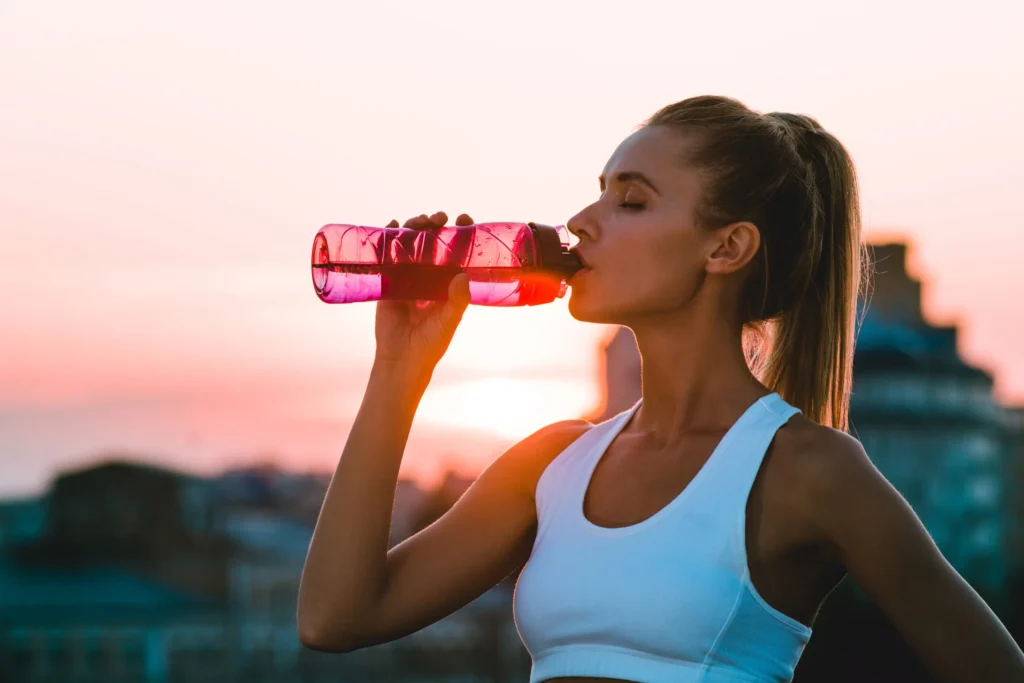
Thirst is your body’s built-in alarm clock, but it doesn’t always ring on time. By the time you’re thirsty, you could already be slightly dehydrated. That can bog you down, clutter your mind and screw with your disposition.
By making a habit of hydrating before thirst sets in, you’re less likely to fall behind. For instance, take sips of water at fixed intervals– upon waking, prior to your meals, and before, during and after workouts. This comes in handy particularly in hot weather or if you’re active outdoors.
Weight Tracking
Weighing yourself and checking your steps, fruit, veggies and water daily self-checks makes it easier to achieve and maintain weight goals. Weighing yourself frequently allows you to detect rapid weight loss, which could indicate dehydration, particularly if you lose 1% or more of your body mass post-exercise. These checks can reveal if you’re consuming enough fruits and veggies, which contribute to your hydration.
Accounting for weight and water together holds you accountable and it can provide an additional dose of motivation. Nothing motivates like results — witnessing meaningful progress creates good habits and keeps you on track for the long haul.
Conclusion
Triple-digit heat makes weight loss more difficult and dangerous. Water alone doesn’t always do the trick. Smart plans trounce guesswork. Folks lose liquids rapidly in hot weather, but sweat requires more than water—it leaches essential salts. Fast drinks, salty snacks and cool places perform better than pushing through thirst or skipping meals. Keep an eye on your mood and focus, as well. Both demonstrate how well you stay on top of your needs. Easy tests like urine color or how light you feel are lifesavers. Believe in small steps and clean habits. Be vigilant about what your body tells you. For more tips and tales, peruse our recent guides or post your own successes. Let’s stay real, safe, and easy.
Frequently Asked Questions
How does extreme heat affect hydration during weight loss?
Heat increases sweat loss, speeding dehydration. This can stall metabolism and weight loss. If you want to lose weight safely and effectively in hot weather, stay hydrated.
What is the best way to stay hydrated in triple-digit temperatures?
Sip water throughout the day, even before you feel thirsty. Shoot for a minimum of 2–3 liters daily, and more with activity or sweating.
Why are electrolytes important for hydration and weight loss?
Electrolytes assist in managing body fluids, muscles, and nerve signals. Replacing electrolytes lost in sweat fuels hydration, staves off cramps and promotes good weight loss.
Can drinking too much water be harmful during heat?
Yup, too much non‑electrolyte balanced water can cause hyponatremia — a deadly sodium drop. Balance water with electrolyte‐laden food or drinks.
Are sugary sports drinks recommended for hydration?
Sugary sports drinks will replace electrolytes but are full of sugar. Opt for low-sugar or electrolyte-specific brews, or sprinkle some salt into water for a superior alternative.
How can I tell if I am hydrated enough?
Check your urine color—it should be light yellow. Dark urine means dehydration. Be on the lookout for symptoms such as dizziness, dry mouth, or fatigue.
Does hydration impact mental focus while losing weight in the heat?
Yes, dehydration can impair concentration and cause fatigue. It keeps you thinking straight and stokes your weight loss motivation.
