
How to Manage PCOS Symptoms: 8 Essential Lifestyle Changes
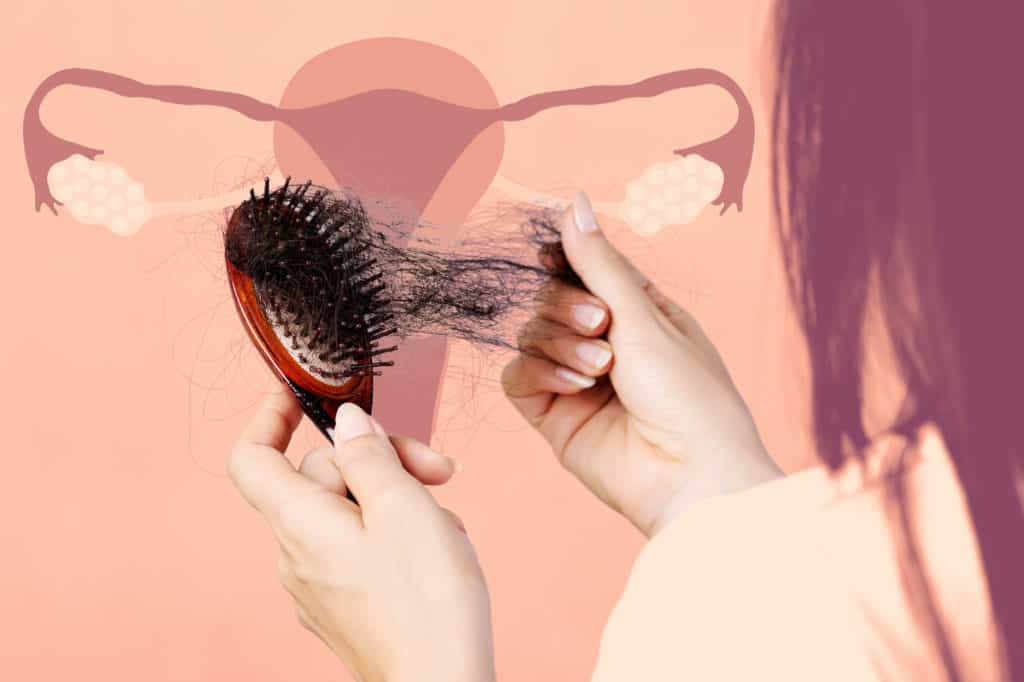
Managing PCOS can be a real challenge, especially when it comes to weight loss. Specialized strategies, including weight loss recommendations, are essential for women dealing with several PCOS symptoms and achieving significant weight loss or sustained weight loss. These strategies focus on balancing hormones and improving overall health.
Understanding the right approach can make a huge difference. From tailored diets to effective exercise routines, each strategy plays a vital role. You don’t have to navigate this journey alone. With the right tools and knowledge, you can achieve your weight loss goals while managing PCOS effectively. Discover how these specialized techniques can empower you to take control of your health and well-being.
Key Takeaways
- Understand how PCOS affects your body and weight, as this knowledge can help you make informed choices about managing your health.
- Focus on reducing refined carbohydrates in your diet, as this can help stabilize blood sugar levels and support weight loss efforts.
- Prioritize a balanced diet rich in whole foods, including fruits, vegetables, and lean proteins, to nourish your body and maintain energy levels.
- Incorporate regular exercise into your routine; aim for a mix of cardio and strength training to boost metabolism and improve overall well-being.
- Manage stress through techniques like mindfulness or yoga, as stress can worsen PCOS symptoms and hinder weight loss progress.
- Ensure you get enough sleep each night, as quality rest is vital for hormonal balance and effective weight management.
Understanding PCOS and Its Impact
Definition
Polycystic Ovary Syndrome (PCOS) is a hormonal disorder that primarily affects women of reproductive age. It is one of the most common endocrine disorders, impacting about 10% of women globally. The condition gets its name from the presence of small cysts on the ovaries. These cysts are often not harmful but indicate an imbalance in hormones.
Symptoms
Women with PCOS experience various symptoms. Irregular periods are prevalent among those affected. Some may have very few periods each year, while others might experience heavy bleeding. Excessive hair growth, known as hirsutism, is another common symptom. This occurs due to elevated levels of excess androgens, which are male hormones present in both men and women. Other symptoms can include acne, weight gain, and thinning hair.
Asymptomatic Cases
Not all women with PCOS show obvious signs. Many may be asymptomatic, meaning they do not exhibit noticeable symptoms. This can make diagnosis challenging. Some women may only discover they have PCOS after seeking help for infertility or other health issues. Awareness of this aspect is crucial for effective management.
Health Risks
PCOS can lead to several health complications if left untreated. Women with this syndrome face a higher risk of developing type 2 diabetes, high blood pressure, and heart disease. They also have an increased chance of endometrial cancer due to prolonged exposure to estrogen without progesterone.
Importance of Diagnosis
Early diagnosis plays a significant role in managing PCOS effectively. Women should consult healthcare providers when experiencing symptoms like irregular cycles or excessive hair growth. A thorough evaluation often includes blood tests to check hormone levels and an ultrasound to examine the ovaries.
Treatment Options
Management strategies for PCOS vary based on individual needs. Lifestyle changes such as diet and exercise are fundamental. Weight loss can help lower insulin levels and improve hormonal balance. Medical treatments may include hormonal contraceptives to regulate menstrual cycles and anti-androgens for excessive hair growth.
Challenges in Losing Weight with PCOS
Hormonal Imbalances
Hormonal imbalances play a significant role in PCOS weight loss challenges. Women with PCOS often experience irregular hormone levels. These imbalances can lead to increased appetite and cravings. As a result, many women find it hard to stick to their weight loss goals.
Hormonal changes may trigger weight gain. This can make the weight loss journey feel frustrating and overwhelming. Many women report that despite their best efforts, they struggle to see results.
Insulin Resistance
Insulin resistance is another major factor in managing weight for those with PCOS. Many PCOS patients have elevated insulin levels. This condition causes the body to store more fat, making it harder to lose weight.
Insulin resistance affects metabolism as well. It can slow down the body’s ability to burn calories efficiently. Consequently, even small amounts of food can lead to weight gain. This cycle complicates the weight loss journey for many women.
Emotional Factors
Emotional factors also contribute to the challenges of losing weight with PCOS. Stress is a common issue for many women facing this condition. High stress levels can lead to emotional eating, which hinders sustainable weight loss.
Body image issues are prevalent among women with PCOS. The struggle with symptoms like acne or excess hair growth can affect self-esteem. This can create a negative feedback loop, where poor body image leads to unhealthy eating habits.
Women may also experience feelings of isolation or frustration during their weight loss journey. This emotional burden can make it difficult to stay motivated and committed.
Slow Weight Loss
Many women find themselves on a path of slow weight loss due to these factors. They may set realistic weight loss goals, but progress might be slower than expected. This slow pace can be discouraging and lead to giving up on their plans.
For some, even small changes in diet or exercise yield minimal results. This reinforces feelings of hopelessness and frustration. It’s crucial for women with PCOS to recognize that their journey may require patience and persistence.
Recommendations for Success
To navigate these challenges, specific strategies are helpful for women with PCOS:
- Focus on balanced meals rich in whole foods.
- Incorporate regular physical activity into daily routines.
- Seek support from healthcare professionals or support groups.
- Practice stress management techniques such as meditation or yoga.
These recommendations can help create a more positive outlook on the weight loss journey.
Reduce Refined Carbohydrate Intake
Whole Grains
Refined carbohydrates can harm women with PCOS. These foods often cause rapid spikes in insulin levels. This leads to increased insulin resistance. Instead, choose whole grains. Whole grains have fiber and nutrients that help improve insulin sensitivity. Examples include oats, quinoa, and brown rice. These options provide sustained energy without causing blood sugar crashes.
Whole grains also keep you fuller longer. This can help with weight loss. A study from the American Journal of Clinical Nutrition found that whole grains can reduce body fat. By switching to these healthier choices, women can manage their weight more effectively.
Monitor Sugar Intake
Monitoring sugar intake is crucial for managing PCOS. High sugar levels lead to cravings and overeating. Reducing added sugars helps stabilize blood sugar levels. This can prevent spikes and crashes throughout the day.
Aim to limit sugary drinks and snacks. Instead, opt for fruits or nuts for a healthier option. The American Heart Association recommends no more than 6 teaspoons of added sugar per day for women. Keeping track of your daily sugar intake can make a significant difference in your overall health.
Meal Planning
Meal planning is a powerful tool for managing PCOS. Focus on low glycemic index (GI) foods in your meals. Foods with a low GI release glucose slowly into the bloodstream. This helps maintain steady energy levels.
Incorporate vegetables, legumes, and lean proteins into your meal plans. These foods not only support weight loss but also improve overall health. Prepare meals in advance to avoid last-minute unhealthy choices.
Consider creating a weekly menu that highlights low GI foods. Here’s an example:
- Breakfast: Oatmeal topped with berries.
- Lunch: Quinoa salad with mixed vegetables.
- Dinner: Grilled chicken with steamed broccoli.
This approach ensures balanced meals while keeping insulin levels stable.
Summary
Managing PCOS involves careful attention to diet. Reducing refined carbohydrates is key to improving insulin sensitivity and losing weight. Whole grains should replace refined options in your diet. Monitoring sugar intake helps stabilize blood sugar levels and reduces cravings.
Meal planning around low glycemic index foods supports sustained energy levels throughout the day. By making these changes, women can better manage their symptoms and work towards achieving their weight loss goals.
Importance of a Balanced Diet
High-Protein Foods
Incorporating high-protein foods is essential for women managing PCOS. Proteins help boost metabolism and promote feelings of fullness. This can assist in weight management. Foods like chicken, fish, beans, and legumes are excellent sources. They provide the body with necessary amino acids while supporting muscle health.
A study from the Journal of Clinical Endocrinology & Metabolism indicates that higher protein intake can improve body composition. It also helps reduce cravings for unhealthy snacks. Including protein in every meal can stabilize blood sugar levels. This is crucial for managing hormonal imbalances often seen in PCOS.
Healthy Fats
Healthy fats play a significant role in maintaining overall health. These fats support hormonal balance and can help combat inflammation. Sources like avocados, nuts, seeds, and olive oil are beneficial. They provide essential fatty acids that the body needs to function well.
Research shows that diets rich in healthy fats can improve insulin sensitivity. This is particularly important for women with PCOS who may struggle with insulin resistance. Consuming these fats does not lead to weight gain when eaten in moderation. Instead, they can aid in achieving and maintaining a healthy weight.

High-Fiber Foods
High-fiber foods are vital for aiding digestion and managing insulin levels. Vegetables, fruits, whole grains, and legumes are excellent choices. Fiber slows down digestion, which helps maintain steady blood sugar levels. This is especially helpful for women dealing with weight gain linked to PCOS.
The American Journal of Clinical Nutrition states that fiber-rich diets can lower the risk of obesity. They also help manage cholesterol levels and promote gut health. Women should aim to include a variety of colorful vegetables and fruits in their meals each day.
Lifestyle Factors
Lifestyle choices significantly impact weight management for women with PCOS. Regular physical activity combined with a balanced diet enhances overall health. Exercise helps regulate hormones and supports weight loss efforts.
Stress management is another key factor. High stress can worsen hormonal imbalances and lead to unhealthy eating habits. Techniques such as yoga, meditation, or even simple breathing exercises can be effective.
Maintaining a balanced diet is crucial for managing PCOS symptoms effectively. The right combination of high-protein foods, healthy fats, and fiber-rich options creates a solid foundation for health.
Incorporate Regular Exercise
Aerobic and Strength Training
Regular exercise is vital for managing PCOS. A mix of aerobic and strength training exercises can maximize weight loss. Aerobic activities like walking, running, or cycling improve heart health. They also help burn calories effectively. Strength training builds muscle, which boosts metabolism. Studies show that women with PCOS benefit from this combination.
Research indicates that women who engage in consistent exercise experience better hormonal balance. This leads to improved insulin sensitivity. Enhanced insulin sensitivity can aid weight loss efforts. Women should aim for at least 150 minutes of moderate aerobic activity weekly. Adding two days of strength training helps further.
Setting Realistic Goals
Setting realistic fitness goals is crucial for success. Goals should be specific, measurable, achievable, relevant, and time-bound (SMART). For example, aiming to walk 30 minutes a day five times a week is a great start. Small victories keep motivation high.
Tracking progress can also help maintain focus. Keeping a journal or using apps allows women to see improvements over time. Celebrating milestones, no matter how small, fosters a positive mindset. This encourages consistency in exercise routines.
Enjoyable Activities
Finding enjoyable physical activities makes exercise feel less like a chore. Women should explore different options to discover what they love. Dancing, swimming, or joining a sports team can be fun alternatives to traditional workouts.
Engaging in social activities can enhance the experience as well. Group classes provide support and camaraderie. Exercising with friends creates accountability, making it easier to stick to routines.
Incorporating fish into meals can complement an active lifestyle too. Fish provides essential nutrients that support recovery after workouts. Omega-3 fatty acids found in fish can reduce inflammation and improve overall health.
Lifestyle Changes
Sustainable lifestyle changes are key for managing PCOS effectively. Regular exercise should be part of a broader approach that includes a balanced diet and stress management techniques. Creating a routine that includes physical activity helps establish long-term habits.
Women often face challenges while trying to make these changes. However, focusing on the benefits of regular exercise can motivate them to push through difficulties. Improved mood and increased energy levels are just a few advantages.
Techniques for Stress Management
Mindfulness Practices
Mindfulness practices play a vital role in stress management. Techniques like meditation and yoga can help reduce stress levels effectively. Research shows that practicing mindfulness can lower cortisol, the stress hormone. This reduction leads to better emotional balance and improved overall health.
Meditation involves focusing your mind and eliminating distractions. Just a few minutes daily can create significant changes. Yoga combines physical postures with breathing exercises. This combination promotes relaxation and enhances mental clarity. Both practices help women with PCOS manage their stress.
Hobbies and Social Activities
Engaging in hobbies can provide emotional relief. Activities such as painting, gardening, or playing an instrument allow for creative expression. These pursuits distract from daily stressors and promote happiness.
ial activities also play a crucial role. Spending time with friends or family fosters connections that support mental well-being. Group activities or classes can introduce social interaction while learning something new. This engagement helps women feel less isolated and more supported.
Establishing a Routine
Establishing a routine is essential for effective weight management interventions. A consistent schedule helps incorporate relaxation techniques into daily life. Setting aside specific times for mindfulness practices creates a habit that reduces stress over time.
Including relaxation techniques in the routine can be beneficial. Deep breathing exercises, progressive muscle relaxation, or even short walks can help combat stress. Consistency in these practices reinforces their effectiveness.
Women with PCOS should consider integrating these strategies into their lives. A balanced approach combining exercise, mindfulness, hobbies, and social interactions can lead to better stress management outcomes.
Exercise as a Stress Reliever
Regular exercise is another important strategy for managing stress. Physical activity releases endorphins, which improve mood and reduce anxiety. Engaging in activities like jogging, swimming, or dancing provides both physical and emotional benefits.
Combining exercise with mindfulness practices can enhance results. For instance, practicing yoga not only improves flexibility but also reduces stress levels simultaneously. This dual approach supports overall well-being.
Ensure Adequate Sleep
Hormonal Regulation
Sleep quality directly affects hormonal regulation in women with PCOS. Poor sleep can lead to increased insulin resistance. This condition worsens the symptoms of PCOS. Research shows that sleep disturbances can raise cortisol levels. Elevated cortisol negatively impacts weight management and overall health.
Hormones like leptin and ghrelin also play a role. Leptin helps control hunger, while ghrelin stimulates appetite. Lack of sleep disrupts these hormones. This disruption can increase cravings and promote weight gain. Women with PCOS already face challenges related to weight. Therefore, ensuring adequate sleep is crucial for managing this syndrome.
Consistent Sleep Schedule
Creating a consistent sleep schedule helps improve overall sleep hygiene. Going to bed and waking up at the same time each day establishes a routine. This routine signals the body when it’s time to rest. A regular schedule can also enhance focus during the day.
Aim for 7 to 9 hours of sleep each night. Short naps can be beneficial too but limit them to 20 minutes. Longer naps might interfere with nighttime sleep quality.
Limit Screen Time
Limiting screen time before bed can greatly enhance sleep quality. Blue light from phones and computers interferes with melatonin production. Melatonin is essential for regulating sleep cycles.
Set a cut-off time for screens at least one hour before bedtime. Instead, consider reading a book or practicing relaxation techniques. These activities prepare the mind for restful sleep.
Effects on Sensitivity
Adequate sleep improves insulin sensitivity, which is often impaired in women with PCOS. Better sensitivity means the body uses insulin more effectively. This change can help manage weight and reduce the risk of developing diabetes.
Studies indicate that improving sleep patterns may lower the risk of metabolic issues linked to PCOS. Women who prioritize sleep often report better emotional health as well.
Practical Steps
Here are some practical steps to ensure adequate sleep:
- Establish a bedtime routine.
- Keep your bedroom dark and cool.
- Avoid caffeine in the afternoon.
- Engage in light exercise during the day.
- Practice mindfulness or meditation before bed.
These strategies can significantly affect how well you sleep and how you feel during the day.
Overview of Medical Treatments
Medications
Patients with PCOS often face insulin resistance. Metformin is a common medication used to manage this condition. It helps improve insulin sensitivity and can lead to weight loss. Studies show that metformin can also help regulate menstrual cycles and reduce symptoms like acne and excessive hair growth.
This medication works by lowering blood sugar levels. It decreases the amount of glucose produced by the liver. Many patients report better energy levels after starting metformin. This change can positively impact their overall health.
Hormonal Treatments
Hormonal treatments play a crucial role in managing PCOS symptoms. Birth control pills are frequently prescribed for women dealing with irregular periods. These pills help regulate menstrual cycles and balance hormone levels.
Studies indicate that hormonal contraceptives can reduce acne and unwanted hair growth. They work by decreasing testosterone levels in the body. Women often find relief from many symptoms when using these treatments.
Healthcare providers may recommend different types of birth control pills based on individual needs. Some may contain both estrogen and progestin, while others have only progestin. Each type has its benefits, so it’s essential to discuss options with a doctor.
Personalized Care
Consulting healthcare professionals is vital for effective management of PCOS. Each patient experiences unique symptoms and challenges. A personalized treatment plan is essential for addressing specific needs.
Doctors often assess various factors before recommending treatments. These factors may include medical history, current symptoms, and lifestyle choices. Patients should openly discuss their concerns and goals with their healthcare provider.
Regular follow-ups are important to monitor progress and make necessary adjustments. Changes in treatment may be needed if symptoms persist or worsen over time.
Women should not hesitate to seek support from specialists, such as endocrinologists or gynecologists. These professionals can provide valuable insights into managing metabolic disorders related to PCOS.
In summary, managing PCOS often involves a combination of medications and hormonal treatments tailored to each patient’s needs. Metformin helps with insulin resistance, while birth control pills regulate hormones and menstrual cycles. Consulting healthcare professionals ensures personalized care that addresses individual symptoms effectively.
Closing Thoughts
Managing PCOS can be tough, especially with weight loss. You’ve learned about the unique challenges and specialized strategies that can make a difference. From adjusting your diet to incorporating exercise and managing stress, these steps are vital for your journey. Prioritize sleep and explore medical options if needed.
Now it’s time to take action. Start small, set achievable goals, and be consistent. Each step forward counts. Remember, you’re not alone in this journey. Connect with others who understand your struggles and share tips. Your health matters, and with the right strategies, you can effectively manage PCOS and achieve your weight loss goals. Let’s get started!
Frequently Asked Questions
What is PCOS?
Polycystic Ovary Syndrome (PCOS) is a hormonal disorder affecting women. It can lead to irregular periods, weight gain, and fertility issues. Understanding PCOS is crucial for effective management.
Why is losing weight challenging with PCOS?
Women with PCOS often experience insulin resistance, making it harder to lose weight. Hormonal imbalances can also contribute to increased hunger and cravings, complicating weight loss efforts.
How can I reduce refined carbohydrate intake?
Focus on whole grains, fruits, and vegetables. Limit sugary snacks and processed foods. This change helps stabilize blood sugar levels and supports weight loss.
What does a balanced diet look like for PCOS?
A balanced diet includes lean proteins, healthy fats, whole grains, and plenty of fruits and vegetables. This combination helps manage insulin levels and promotes overall health.
How often should I exercise if I have PCOS?
Aim for at least 150 minutes of moderate exercise weekly. Incorporate both cardio and strength training for optimal results in managing weight and improving insulin sensitivity.
What stress management techniques are effective for PCOS?
Practices such as yoga, meditation, and deep breathing exercises can help reduce stress. Lower stress levels can improve hormonal balance and support weight loss.
Why is sleep important for managing PCOS?
Adequate sleep regulates hormones that control appetite and metabolism. Aim for 7-9 hours per night to enhance weight loss efforts and overall well-being.
