
How to Cope With Common Setbacks From Weight Loss Injections
Key Takeaways
- Anticipate setbacks in this weight loss injection journey and let them hone your overall treatment plan. Separate the typical side effects from those that require urgent care.
- Monitor symptoms and mood, maintain a food and symptom journal, and communicate this data to your care team for real time modifications.
- Develop targeted coping strategies for common side effects such as nausea, fatigue, digestive changes, injection-site complications, and appetite fluctuations. Carefully time injections and meals to minimize interference with your daily routine.
- Build emotional supports – cultivate mindfulness, split your goals into smaller milestones, celebrate non-scale victories, and reach out to peers or mental health professionals as needed.
- Combine medication with real-world habits like nutrition, incremental movement, and hydration to help build momentum.
- Seek immediate medical attention for serious or concerning symptoms. Record all communications and collaborate with professionals to fine-tune doses or treatment options as your response evolves.
How to Cope with Common Setbacks While Using Weight Loss Injections provides a guide to practical steps to take for users facing side effects, plateaus, or dosing questions.
It describes common causes, easy self-care steps, when to modify routines, and when to seek medical review. It emphasizes simple, safe steps such as recording meals, maintaining hydration, modifying activity, and noting symptoms.
Later sections provide checklists and example questions for doctor visits.
Understanding Setbacks
Setbacks are an expected part of the weight loss journey on injections and medications. They can appear as sluggish gains, fresh side effects, or languid motivational days. Knowing what to expect keeps the plan grounded and lets minor, pragmatic shifts restart momentum.
Physical vs. Psychological
Physical side effects generally include nausea, diarrhea, constipation, headaches, and mild fatigue. These often come on early and can subside within days to weeks. Monitor symptoms of loss of appetite, energy, sleep, and pain. Note when a symptom began, its duration, and what appears to alleviate it.
Psychological hurdles can manifest as cravings, low motivation, anxiety, or emotional eating. A drug can alter your mood or motivation, so observe changes in concentration or pleasure in daily activities. Record if motivation sinks on certain days or following certain events.
Emotional triggers such as stress, loneliness, and work pressure frequently connect to setbacks, and recognizing them is critical to managing them. Combine tracking of both types: a short daily log that records physical symptoms, mood, sleep, and hunger cues gives a clear picture.
Take this information to discuss with your doctor. Handle psychological setbacks with stress reduction, short-term behavior hacks, therapy, or peer support groups. Small steps such as a ten-minute walk, a breathing exercise, or a check-in with a friend can arrest downward momentum.
Normal vs. Concerning
- Mild nausea: hours to a few days
- Transient headache: hours to several days
- Occasional constipation or loose stools: days to a week
- Decreased appetite: weeks, often part of effect
- Temporary fatigue: days to weeks
Watch for severe signs that need urgent care: persistent vomiting, fainting, severe abdominal pain, sudden rapid weight loss, dehydration, or confusion. Match your experience against the prescribing information for your particular injection. That is where the warnings and timelines are.
Maintain a dated record of side-effect occurrence and severity. Call your provider if symptoms intensify or do not align with the guide. Take setbacks as teachable moments. When you get stuck, review goals and priorities.
Pace activity — being less active will not only slow your progress, but can cause muscle loss. Minor alterations — shift meal timing, adjust protein for muscle-sparing or switch up exercise — can restart the fire. Awareness and candid tracking are the initial steps toward healthier responses.
Talk any changes through with clinicians and support networks to adjust the treatment plan and expectations.
Managing Physical Effects
Weight loss injections usually come with physical effects that differ from patient to patient and dose to dose. Here’s a simple side-effect table with actionable coping strategies to assist readers in scheduling and adjusting habits, nutrition, and exercise.
| Side effect | Common signs | Practical coping strategies |
|---|---|---|
| Nausea | Queasy stomach, occasional vomiting | Eat small, frequent meals; avoid fatty/spicy/acidic foods; take meds when nausea is least disruptive; use ginger tea or supplements; consider meclizine if advised by provider |
| Fatigue | Low energy, need for naps | Schedule light exercise to boost energy; allow short breaks; get 7–8 hours sleep; monitor low blood sugar if on diabetes meds |
| Digestion (constipation/diarrhea) | Infrequent stools or loose stools | Increase fiber slowly over weeks; psyllium husk or stool softeners for constipation; stay hydrated; use probiotics; track bowel changes |
| Injection site issues | Redness, swelling, bruising | Rotate sites; clean skin before injection; apply cold pack after shot; watch for allergic signs |
| Appetite changes | Reduced or variable hunger | Keep a food diary; plan balanced meals with protein, healthy fats, fiber; adjust portions; avoid skipping meals |
1. Nausea
Consume small, frequent meals that blend protein, complex carbs, and a little healthy fat to stabilize blood sugar and minimize stomach distress. Try to stay away from fried, spicy, or citrus-heavy foods that may exacerbate nausea.
Doses for when you are least active; sometimes dosing in the evening prevents some people from experiencing nausea during the day. Try ginger tea, supplements, or bland snacks like plain crackers for gentle relief.
Meclizine is something to sort out with your clinician if symptoms are persistent. Sip water or ginger herbal tea between meals to keep hydrated, particularly if vomiting occurs.
2. Fatigue
Develop light, daily activity such as strolls, mild strength exercises, or small doses of cardio into your routine to combat exhaustion and maintain muscle. Get seven to eight hours most nights and indulge in a quick nap if your energy flags.
If you’re on diabetes medication as well as weight loss injections, monitor for hypoglycemic symptoms and have a fast-acting snack on hand. Try to rearrange work or home schedules to have rest windows so that tiredness does not wreck your day.
3. Digestion
Add fiber slowly over a period of weeks to minimize chances of constipation. Sudden increases can exacerbate gas or cramping. Use psyllium husk, stool softeners, or osmotic laxatives as necessary, under guidance.
Hydrate with plenty of water, especially with diarrhea or vomiting. Monitor bowel patterns following dose adjustments and incorporate probiotic-rich foods or supplements to foster gut flora and absorption.
4. Injection Site
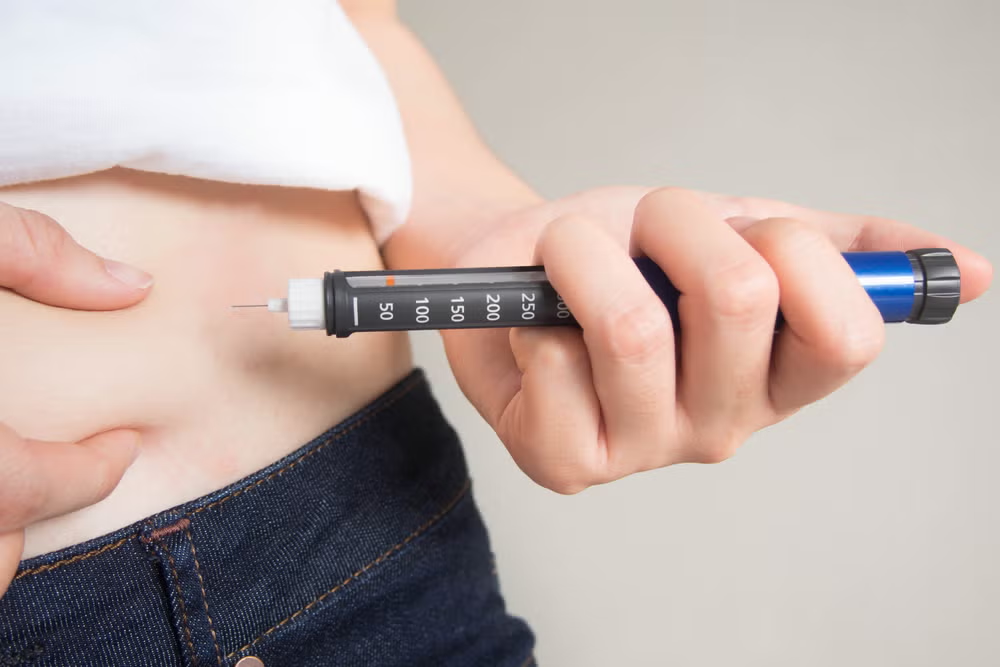
Rotate sites and space them to prevent repeated socking. Clean the skin beforehand with an alcohol wipe, and then apply a cold pack post injection to mitigate swelling.
Keep track of any rash, intense pain, or strange bruising and inform your clinician. Record the changes to assist in identifying trends.
5. Appetite Changes
Maintain a ‘food diary’ to map hunger and intake. Construct your meals with lean protein, vegetables, complex carbohydrates like whole grains, and healthy fats so you can get your nutrients even when your appetite is lacking.
Don’t skip meals; you will just end up binging later. Scale portions down if appetite is low, but get in plenty of calories and micronutrients.
Navigating Emotional Hurdles
Understanding how these feelings impact behavior enables him to stay on course with his weight loss injections and make healthier decisions. Emotional hurdles tend to manifest themselves in the form of mood swings, nervousness, or temptations to indulge in food as solace. Recognizing these patterns is step one to transformation.
Motivation
Decompose big goals into little milestones, each attainable in weeks or months. For instance, lose 1 to 2 kg per month, enhance a fitness metric you track, reduce your fasting glucose. Every little victory maintains momentum.
Celebrate non-scale victories: note better sleep, higher daily energy, looser clothing, or improved blood pressure. Visual reminders, such as a basic progress chart that is big and bold, photos taken monthly, or a checklist app, capture gains and keep motivation on the page.
Go back to why you began injections, such as health markers, mobility, or personal goals, and jot them down where they are easy to find. This can recommit you when injections become difficult to continue.
Discouragement
Recognize stumbles without guilt. Stumbles are inevitable and essential to change. Take a step back, identify what went wrong and plan a next small step.
Here’s a numbered list of positive changes to note during treatment:
- Better sleep leads to several of them experiencing fewer night awakenings and more rejuvenated awakenings.
- Elevated mood — minor jumps in general activity can accompany initial weight loss.
- You’ll likely see better blood markers, such as reduced HbA1c, lower triglycerides, or improved cholesterol.
- More mobility means that walks, stairs, or even daily chores are easier.
- Mood stabilization — some find less mood reactivity over time.
- Less food obsession leads to fewer cravings or snacking.
- Better self-care means more regular visits to the doctor and adherence to medication.
Tap into the experiences of others who encountered these obstacles via online communities or in-person support groups. Common struggles become less lonely and you’ll pick up actionable advice.
Start with small self-care habits such as 10-minute walks, mini breathing exercises, or a sleep ritual that improve mood and foster resilience.
Body Image
Combat negative self-talk by recording what the body actually accomplishes each day—carry groceries, walk, hug children—and emphasizing function as much as form. Don’t compare your progress to other people. Everyone responds differently to the medication.
Put on some comfy clothes that fit now instead of squeezing into your old sizes. Comfort encourages that kind of self-perspective. Incorporate body-appreciation activities—soft yoga, intuitive movement, or communal dance classes—exercises that turn attention from aesthetics to capability.
With mirror work and body scans, cultivate self-awareness and self-compassion. Over time, these rituals can supplant emotional eating with actions that truly nurture.
Lifestyle Integration
Effective utilization of weight loss injections hinges on the degree to which medication can be seamlessly integrated into lifestyles. Construct a ritual that connects doses with meals, exercise, and recording so the therapy integrates into existing habits instead of becoming an extra hassle.
Nutrition
Eat a balanced diet, which includes around 15% of energy from protein, 20-35% of fat, and the rest from carbs, to complement the effects of the medicine and protect your muscles. Monthly mini diet counseling, with two visits the first month, assists in establishing and polishing this plan and has proven effective for numerous individuals.
Minimize processed foods and added sugars because they can stifle weight loss and increase cravings. Exchange sweet beverages for fruit or plain yogurt when you crave a treat. Use meal prep by batch-cooking mixed-grain salads, roasted vegetables, and lean protein so you reach for a prepared plate instead of fast food on busy nights.
Work with a registered dietitian to customize your intake based on side effects or comorbidities. For example, an individual experiencing mild nausea may be directed to consume bland, nutrient-dense foods and smaller, more frequent meals. Log intake in a paper diary or an app. Monitoring enables you to identify eating patterns, adjust portion sizes, and keep protein targets front and center.
Movement
Working your way up to five days a week of thirty minutes of moderate-intensity aerobic exercise, like brisk walking, will help amplify fat loss while preserving lean mass. Incorporate two strength training sessions a week when you can. Maintaining muscle helps your metabolism and functional capacity.
Start small if energy is low. Ten-minute walks after meals add up and reduce post-meal discomfort. Choose activities you like, such as dance lessons, biking, or walking with friends, to increase the likelihood you will maintain them.
Keep workouts in an easy-to-access log and record improvements in cardio, strength, or flexibility. Acknowledging small victories keeps the momentum going. If intensive lifestyle modification results in less than two percent weight loss after five weekly sessions, consider a structured program or a twelve-week lead-in intensive intervention prior to or in conjunction with medication.
Hydration
Maintain consistent hydration to combat GI side effects and promote general health. Always have a 500 to 750 ml bottle on hand and take regular sips. Be sure to avoid sugary beverages and watch your caffeine intake as these can exacerbate digestive symptoms and impact how medications are handled.
Pay attention to urine color. Pale yellow is generally a sign you are hydrated enough. Make phone reminders to drink on hectic days. Hydration helps manage appetite and exercise recovery, which makes it easier to stick to activity goals and nutrition plans.
Beyond The Scale
Weight and that number on a scale only tell part of the story. Signs of success on weight loss injections should transcend mere scale numbers and include enhanced health markers, daily functionality, and quality of life. Trace energy, mood, sleep, labs, and capacity for new activities.
Note that plateaus are common. Some people stall after 1 to 2 weeks, others later. A true plateau is when weight stays the same for 3 to 4 weeks despite no changes in diet, dose, or activity. Think about underlying conditions like hypothyroidism or PCOS if the progress feels too slow.
Keep yourself well balanced with nutrient-dense foods, exercise, sleep, and stress management to fuel those long-term gains.
Non-Scale Victories
- Able to climb stairs without breathlessness or pain.
- Fewer cravings and reduced portion sizes.
- Clothing fits better; waist measurements decrease.
- Reduced medication doses for diabetes, hypertension, or other conditions.
- Improved lab results include lower LDL cholesterol, improved HbA1c, and better blood pressure readings.
- More social confidence or getting back into hobbies like dancing or cycling.
- Sleep improves; fewer night wakings and more refreshed mornings.
- Less joint pain or inflammation during daily tasks.
Celebrate dose reductions as medical victories. Share lab changes and medication changes with your clinician and support network. Sharing these victories with friends or a peer group generates momentum and holds you accountable.
Mindful Progress
Be mindful eating to identify hunger and fullness cues that can change with appetite-suppressing injections. Notice emotional shifts, such as less obsession over food, less mindless snacking, or food-related anxiety.
Set a weekly review time to note trends: energy across the week, mood swings, sleep hours, and step counts. Capture these with a journal or tracking app, jotting down short notes after meals or walks to provide context.
Sleep matters: Aim for 7 to 9 hours per night to support metabolism and hormone balance. Curb stress with breathwork, yoga, or mini journaling sessions. Less stress means you are less likely to experience a cortisol-induced weight stall.
If you notice minimal difference, recall that people react differently to drugs. Discuss any dosage or plan adjustments with your clinician.
Habit Formation
Develop consistent schedules for injections, meals, and exercise. Consistency is key to results. Pair new actions with existing ones: take your injection after brushing your teeth, go for a walk after lunch.
Maintain motivation by tracking streaks or rewarding yourself in small ways for a certain number of consecutive weeks of consistent activity. Identify barriers like time limits, work shifts, or low mood and design simple fixes: 10-minute home workouts, meal prepping nutrient-dense snacks, or morning walks before work.
When progress stalls for weeks, check in with your provider about medications, labs, sleep, and potential medical issues like PCOS or thyroid.
Professional Guidance
It’s professional guidance that navigates the pitfalls and ensures care remains secure and personalized. A health professional can evaluate symptoms, recommend medication or dosage adjustments, and offer practical solutions for frequent side effects.
Here’s a mini-table with symptoms, what to do, and questions to ask your provider.
| Symptom or sign | Recommended action | Follow-up questions to ask |
|---|---|---|
| Persistent vomiting, severe dehydration | Call emergency services or your clinic now; stop oral intake until advised | Could IV fluids be needed? Should I pause the medication? |
| Chest pain, fainting, severe shortness of breath | Seek immediate emergency care | Is this related to medication? What tests do I need? |
| Severe abdominal pain or pancreatitis signs | Contact provider immediately; go to ER if severe | Could this be pancreatitis? Should medication be discontinued? |
| Allergic reaction (hives, swelling, breathing trouble) | Emergency care; stop medication | What alternative treatments are safe for me? |
| Ongoing nausea, constipation or diarrhea | Call clinic for advice; adjust diet, hydration, fiber | What symptomatic meds or dosing changes help? |
| Rapid heart rate or palpitations | Contact provider promptly | Do I need cardiac tests? Is dose change required? |
When to Call
Contact your HCP now for serious symptoms such as ongoing vomiting, chest pain, dehydration, or difficulty breathing. Seek immediate help if you develop severe abdominal pain, sudden jaundice, or strong allergic reactions.
Make a checklist of symptoms, when it started, how bad it is, previous such episodes, medications you are on, and what you recently ate. Keep a written log or phone notes and document all communications: date, time, who you spoke with, advice given, and any prescribed actions.
This record aids follow-up care and potential medication switches.
Adjusting Treatment
Collaborate with your provider to adjust dose or switch medications if side effects continue or effects are minimal. Observe how you feel post adjustments and record any fluctuations in hunger, bowel movements, sleep, or energy.
Talk about introducing adjuncts—antiemetics, laxatives, supplements—or discontinuing drugs that interact. Review treatment goals as you go, tuning targets for weight loss velocity, metabolic markers, and quality of life.
Inquire regarding lab checks, imaging, or specialist referral if necessary.
Building Support
Get collegial advice and camaraderie from support groups or moderated web forums. Enlist family or friends for meal planning, reminders, and emotional support.
Provide concrete examples of what helps, such as small frequent meals to help nausea or the use of flavored drinks to increase hydration to develop their insight.
Make a list of trusted contacts: your prescribing clinician, dietitian, pharmacist, and a close friend to call during a setback.

Professional guidance from an obesity medicine physician or registered dietitian provides customized guidance on tapering into medications, staying hydrated, and remaining regular while keeping aligned with your goals.
Conclusion
Weight loss injections assist a lot of individuals. Side effects and slow progress pop up. Monitor symptoms, diet, rest, and emotional state. Try small shifts: eat more protein, walk after meals, set sleep hours, and plan snacks that fill you up. Consult your doctor regarding dose adjustments, medications, or testing. Discuss victories and concerns with a friend, coach, or support group. Direct yourself to time-tested habits that endure, not fast fixes. Instead, measure progress with energy, how clothes fit, and how you feel, not just the scale. Treat setbacks as tips. They indicate what to alter next. If necessary, seek immediate assistance for serious symptoms or mood shifts. Prepared to implement one small change this week? Choose and begin.
Frequently Asked Questions
What are common setbacks while using weight loss injections?
They include things like slowed weight loss, injection site reactions, nausea, plateaus, and emotional ups and downs. These are common and usually addressable with tweaks and assistance from your care team.
How can I manage a weight-loss plateau effectively?
Reevaluate calories, protein, and activity. Revisit injection timing and dosage with your provider. Simple diet or activity level tweaks frequently kick the weight loss back in gear without discontinuing the drug.
Are injection site reactions dangerous and how do I treat them?
Most reactions are mild, including redness, swelling, or itch. Rotate injection sites, employ good technique, and use cold compresses. Reach out to your provider if pain, warmth, or fever develop.
What should I do if I feel increased anxiety or mood changes?
Immediately report mood changes to your healthcare professional. They can modify the plan, connect you with mental health resources, or explore other options to safeguard your emotional health.
How do I balance lifestyle changes with injections for long-term results?
Consider injections just one tool. Put a priority on balanced meals, movement, sleep, and stress management. These behaviors boost efficacy and promote lasting weight maintenance.
When should I contact my healthcare provider about side effects?
If you have severe or persistent nausea, vomiting, intense abdominal pain, rapid weight changes, signs of infection, or significant mood or behavior changes, contact your provider. Don’t overlook escalating symptoms.
Can weight regain happen after stopping injections, and how can I prevent it?
Yes, regain happens. Dodge it by easing diet and activity back before quitting, keeping protein and workouts, and scheduling follow-up care with your doctor.
