
Choosing the Best Dose for Your Weight Loss Injection Plan Dosage Guide
Key Takeaways
- Take stock of your body and overall health when determining dose factors like weight, body composition, BMI, and any chronic conditions to ensure the dose aligns with your physiology and safety requirements.
- Here is what we call a medication-specific dosing and titration plan. Start low and go slow, track side effects and appetite, and find a balance of effectiveness and tolerability.
- Track results other than weight, such as blood glucose, cholesterol, energy, and hormonal shifts, to evaluate metabolic impacts and tailor your dosage.
- Record doses, dates, side effects, and weight milestones. Share this log with your healthcare team to facilitate informed dose adjustments.
- Leverage dose counters, medication reminders, and a clear plan to keep you consistent, avoid missed injections, and adhere to escalation schedules.
- Most importantly, seek professional guidance and be your own advocate by reporting side effects, requesting dose clarification, and inquiring about alternatives if progress is lacking or symptoms emerge.
How to select the optimal dose for your weight loss injection plan based on your weight, medical history, and treatment goals.
Based on your weight, age, metabolic rate and medication interactions, health professionals set a starting dose and then adjust it over weeks.
Monitoring side effects and progress helps guide dose changes.
Going over lab work and lifestyle factors with a clinician keeps dosing safe and effective for long-term results.
Choosing Your Dose
Selecting your dose starts with a clear gaze toward you and your medication’s function. Consider weight, body composition and overall size before getting into the details of medicine. That first look determines if you take a low and slow approach or gravitate toward a higher maintenance dose.
1. Your Body
Determine Your Dose) We recommend calculating an early dose based on body weight and fat percentage, estimating the amount of active drug you need for effective GLP‑1 activity. Heavier people generally require a higher initial dose or a faster dose escalation, where a patient with a high body mass index (BMI) may transition through starter doses faster than a smaller individual.
Injectable medicines do not work like pills; absorption from subcutaneous tissue and individual metabolism alter drug effects. Follow appetite, hunger signals, and weekly weight fluctuations to precision dose. If the hunger falls too quickly or weight plateaus, talk about small adjustments with a clinician.
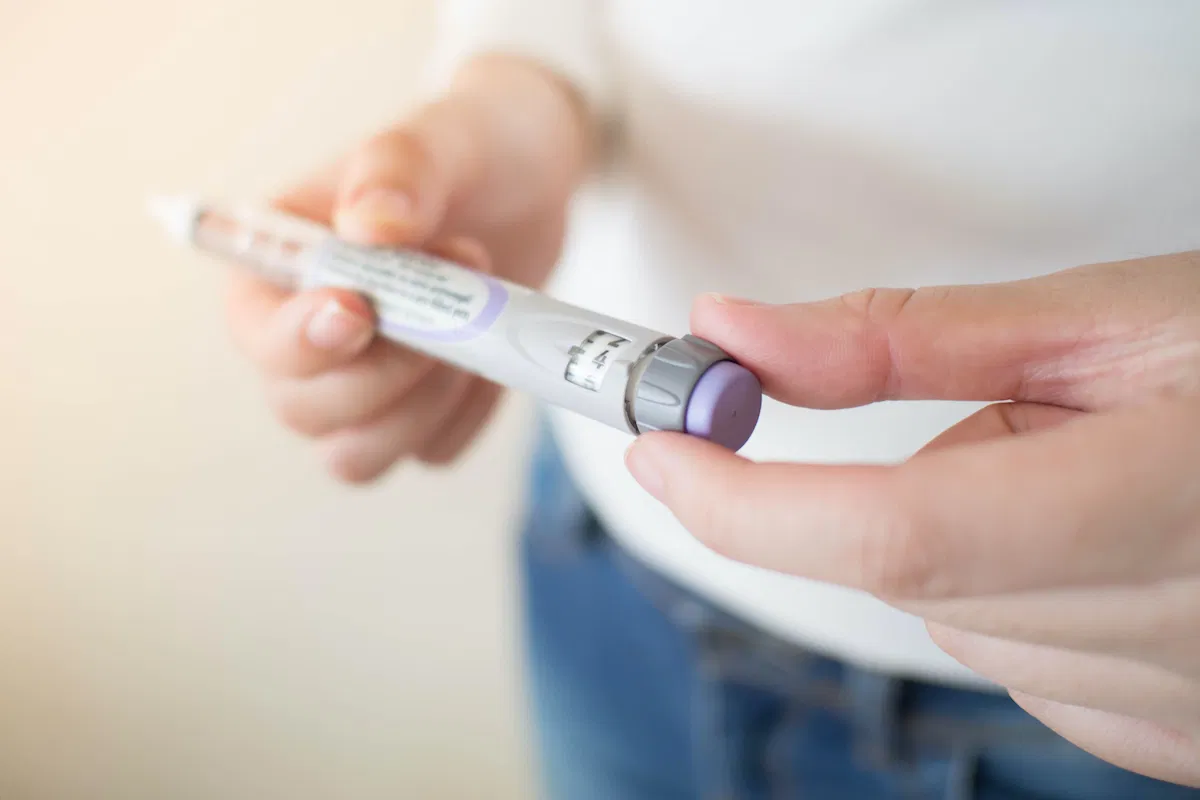
Rotate the dose selector until your dose appears on the dose counter and verify the counter prior to injection to ensure accuracy.
2. Your Health
Mention chronic problems — diabetes, liver disease, thyroid — that can alter safe dosing. If you’re on insulin or sulfonylureas, watch for hypoglycemia. Symptoms can present when weight loss injections alter glucose requirements.
Check any drugs, vitamins, and supplements for interactions. Herbal products such as St John’s wort or powerful enzyme inducers could be life-threatening. If side effects or exacerbation of a pre-existing condition occur, discontinue or reduce the dose only after consulting your provider.
Once you’ve been on a dose for 30 days, your provider might tell you to increase it, but under no circumstances should you go beyond recommended doses without professional advice.
3. Medication Type
Compare products: Semaglutide often begins at 0.25 mg per week and may rise to 2 mg weekly. Other agents have different titration paths. Some pens have fixed doses like 1 mg or 2 mg per injection, making selection easy but restricting fine tuning.
Weekly injections are common, though some drugs require different schedules. Learn the side effect profile for each drug and heed its escalation steps carefully to minimize nausea or other reactions.
4. Your Goals
Establish weight and times goals to help dictate dose decisions. Fast loss might demand aggressive escalation, but that boosts side‑effect danger. Slower schedules support gentler rises.
Select doses that optimize appetite suppression with tolerability. Revisit goals and dosage if neurothrill or side effects shift.
5. Professional Guidance
Despite their simplicity, dosing issues are a major headache for injectable therapies, something that’s been largely overlooked in GLP-1 development.
Find the right subcutaneous technique, press and hold until the counter hits 0 and make a simple schedule-time-next increase table to stay organized.
Dosing Schedules
Dosing schedules determine the pace of a weight loss injection regimen. They outline where to begin, when to increase doses, when to maintain a dosage, and how to respond if side effects or skipped injections arise. After all, you’re following your prescription; use this theory to craft a safe, reliable schedule.
Titration
Start low to minimize nausea and other digestive distress. For semaglutide, a typical starter dose is 0.25 mg per week. That dose is primarily to allow your body to adjust; it is not anticipated to produce significant weight loss.
Step up the dose in small increments, typically monthly, as the label suggests. For instance, increase the dose from 0.25 mg to 0.5 mg after four weeks, then to 1.0 mg, keeping an eye on tolerance at each increment.
Escalation plans are individual. Others escalate doses every 4 weeks and require as long as 20 weeks to hit higher targets. Monitor symptoms at each dose escalation. Look out for nausea, vomiting, diarrhea, dizziness, or fatigue.
If these become intense, halt or slow the titration. A pragmatic answer is to remain at the present dose for an additional four weeks before attempting the next dose.
Write down injection day/time. Injecting on the same day each week keeps your blood levels steady and supports habit formation. If you miss a dose and more than five days elapse, skip the missed dose and resume your regular schedule instead of doubling up.
Talk about higher doses with your clinician if 1 mg a week isn’t enough. Some require more to accomplish targets. Some plans only have a maximum maintenance recommendation of 1 mg per week.
Clinical use can be higher, up to 2.4 mg per week, with supervision. Any decision to go beyond standard doses should be directed by a provider.
Maintenance
When you get to an effective dose and hit target or steady progress, go to maintenance. A maintenance dose might be 1 mg weekly for numerous patients. Keep that dose to stabilize appetite and maintain weight loss gains.
Continue tracking appetite, glucose readings if appropriate and overall well-being. Long-term use necessitates attentiveness to new or reemerging side effects. Constipation, heartburn, or injection site reactions can emerge later.
Modify the maintenance dose if appetite or metabolic markers change. Changes should be incremental and informed by quantified results, not immediate sensations. Routine follow-up with your provider will help make sure dose adjustments align with your health and goals.
Dose & Side Effects
Semaglutide dose is on a stepwise plan for effect and tolerance. Usual initiation is 0.25 mg once weekly for 4 weeks, then 0.5 mg for the next 4 weeks, then 1 mg for weeks 8 to 12, up to 2.4 mg from week 13 if indicated. Dose escalations are typically every 4 weeks and should be determined with a provider.
Individuals over 65 might require dose adjustments as kidney or liver complications can alter medication processing. If you miss a dose, take it as soon as you remember. If it has been more than five days, skip the dose and return to your normal schedule.
Too High
Too much of a dose, or an overdose, can lead to obvious, often intense symptoms. Monitor for continued vomiting, abdominal pain, dehydration, and most importantly, hypoglycemia if you’re on insulin or sulfonylureas. Get emergency medical help if you have signs of an allergic reaction like a sudden rash, difficulty breathing, or swelling.
Lower your dose when side effects are intense enough to disrupt work, sleep, or basic hygiene. Increase doses, but cease escalation with persistent nausea, rapid weight loss, fainting, confusion, or injection-site infections. Very serious infection at the injection site can escalate rapidly.
If redness, warmth, or pus develops, get care. Older adults should be cautious. Impaired kidney or liver function can raise drug levels and the risk of toxicity, so discuss slower or lower escalation with a clinician. Mix GLP-1 meds carefully with diabetes drugs.
Hypoglycemia signals such as sweating, trembling, feeling faint, or confused require immediate modification of insulin or sulfonylurea dosage. Severe hypoglycemia may require emergency treatment.
Too Low
A dosage that’s too low reveals itself gradually. If appetite just misses a beat, weight holds or hunger persists with compliance, the dose may be under-therapeutic. Others don’t respond at 1 mg per week and require increased doses. Clinicians might increase doses up to 2.4 mg for more potent impact.
Increase dose only in small increments and with clinical supervision. Our standard dose escalation plan boosts dose every 4 weeks. Your personal pace may slow down due to side effects and comorbidities. Track weight and appetite every day to catch plateaus.
Unrelenting hunger, consistent weight gain, or no change after a number of weeks are real-world indicators to consider an increase. Make sure your initial dose is at or above the suggested minimums for weight and condition. Maintenance dosing is usually intended to maintain lost weight.
Quite a few protocols have 1 mg once weekly for upkeep, although sometimes larger maintenance dosing is used under supervision.
Side effect profile by dose:
- 0.25 mg: mild nausea, transient headache, low appetite
- 0.5 mg: increased nausea, occasional constipation, mild reflux
- 1 mg: Common gastrointestinal upset, early satiety, and potential for hypoglycemia with other medications.
- 2.4 mg results in a higher risk of vomiting, dehydration, injection-site issues, and greater glucose drops.
The Adjustment Process
By adjusting dose we mean tailoring the medication to your body and life as they evolve. Start with a clear plan: an initial loading phase lasting up to eight weeks, with one vial often covering this period, a set starting dose, and a schedule for gradual increases tied to monitoring and side effects.
Maintain injections on the same day of the week and time of day to maintain blood levels. If you miss a dose and it has been more than five days, skip that dose and get back on schedule.
Monitoring
Monitor weight, appetite, and blood sugar regularly to determine if the dose is effective. Just use a simple chart or an app, noting daily weight and weekly averages. Track post-meal appetites and any patterns emerging over 2 to 4 weeks.
Log any new or worsening symptoms following a dose adjustment. Digestive upset, nausea, or fatigue can arise within days. Injection site redness or extended pain should be reported at once. Note severity, onset, and whether symptoms improved or remained constant.
Maintain an injection log that records date, full mg or unit dose, time of day, and any other medications or meals taken at the same time. This simplifies identifying connections. For example, a 10 to 15 unit increase corresponded with nausea or a 30 unit jump boosted appetite but stalled the weight loss.
Share data with your clinic or pharmacy. E-mail weekly summaries or bring printouts to visits so clinicians can suggest specific moves, such as adding 10 instead of doubling after eight weeks.
Communication
Inform your medical team about side effects and dosing queries immediately. Be precise: say “I moved to 30 units (0.3 mL) last week and felt dizzy on day three” instead of vague comments.
Provide updates on weight and appetite changes. Report numeric changes such as kilos lost, percent body weight, or waist circumference so providers can evaluate progress against anticipated response for your dosage.
Request explicit dosing action steps when ambiguous. For instance, ask for a plan commencing at 10 to 15 units for 4 weeks, then 10 to 15 unit weekly increases in early weeks, then 15 to 20 units the next 2 weeks and a post-8-week policy to add 10 units instead of doubling.
Keep written communication records: dates of phone calls, messages, and advice on missed doses. This comes in handy if you need to reference prior dosing direction, for example, to hold at a maintenance dose or to target 50 units (0.5 mL) for ongoing effect.
| Date | Dose (units) | Side effects | Weight change |
|---|---|---|---|
| 2025-01-01 | 10 | mild nausea | -1.2 kg |
| 2025-02-01 | 20 | none | -3.0 kg |
| 2025-03-01 | 30 (0.3 mL) | fatigue d2 | -2.5 kg |
Beyond The Scale
Weight loss injections don’t just affect weight. They can transform metabolism, hunger, and overall health in ways that have implications for long-term results. Here’s what to track and how to interpret those signals to select and tweak your plan’s optimal dose.
Hormonal Impact
GLP‑1 receptor agonists like semaglutide and drugs of its ilk alter the way hormones behave to suppress appetite and regulate glucose. They delay stomach emptying, reduce post‑meal glucose surges, and communicate satiety to the brain. These behaviors can reduce insulin requirements and boost insulin sensitivity, which manifests as more stable glucose values and reduced post-prandial spikes.
Track period shifts, exhaustion, or mood changes. If your cycle shortens or becomes irregular, monitor timing and consult your clinician. Hormonal shifts may necessitate dose adjustments or switching agents.
Fatigue or mood changes that interfere with your work or daily life are grounds to reconsider dose speed or timing. Measure fasting glucose, HbA1c if you have diabetes risk, and simple home glucose when recommended. Observing enhanced blood sugar regulation is indicative that the hormonal impact is effective.
Some require a heavier dose for more robust weight and sugar management. Others fare better on lighter doses escalated slowly to minimize nausea or appetite suppression. If side effects persist, reducing the dose temporarily or decelerating ramping can enhance tolerability without sacrificing efficacy.
Metabolic Shift
Weight loss injections can shift the body into a new metabolic set point. As your appetite decreases and calorie intake lowers, your body starts to burn stored fat more regularly. Even if you don’t see the scale move, you might feel consistent energy throughout your day or that formerly stubborn areas shed more quickly.
Track energy, exercise performance, and how effortless it is to sustain a calorie deficit. Support the shift with diet: prioritize lean protein at each meal, add fibrous vegetables, and choose nutrient-dense carbs. Small, frequent meals are helpful if appetite is very low.
High-protein snacks can save your biceps when total calories dip. Track labs, including cholesterol panels and liver enzymes, because those markers tend to improve with actual metabolic benefit, not a yo-yo diet. Modify dosing when metabolic markers plateau or side effects interfere with daily life.
Skipped doses or irregular schedules can blunt effects, so consistent timing is key. Pair the meds with diet, exercise, and support. These medications are tools, not magic bullets. Patients are different. What works best for one person’s dose may not be best for another, so use objective markers and daily symptoms in conjunction to help direct adjustments.
Your Role
Be in control of your medication, dosing, and weight loss. Know the basics of storage and handling. Many medication pens require refrigeration at 2°C to 8°C (36°F to 46°F) until first use.
Then, they can be kept in a cool place between 15°C to 30°C (59°F to 86°F) for up to eight weeks. Walk yourself through the routine every time—prime, test, dose, inject—and remember to use a new needle for every injection.
Change injection sites weekly, usually the stomach or abdominal area, to prevent irritation and maintain consistent absorption. They are typically once weekly injections and have an effect over weeks, so anticipate a gradual build to the dose that keeps the best effect.
Self-Advocacy
Be vocal about any intolerable side effects or new symptoms upon their onset. Keep clear notes of what you experience so you can articulate timing, severity, and triggers, all of which help your care team decide if a dose change or different therapy is needed.
Ask for dose adjustments if weight loss stalls or side effects impact daily life. Dose is not one size fits all. Understand that the standard maximum adult dose is 2.4 mg once per week, but your personal tolerance and health alter this target.
Inform yourself about drug choices, schedules, and probable side effects so you can evaluate risks and benefits when talking. Record your progress with dates, doses, weight, and side effects and bring this log to appointments.
This data crystallizes conversations with clinicians and accelerates decision making.
Lifestyle Synergy
Pair injections with a nutritious diet and exercise to maximize treatment benefits. Focus on lean proteins, veggies, and whole grains while reducing calorie-dense, nutrient-sparse foods that dampen medication results.
Track sleep and stress as well. Bad sleep or chronic stress can decelerate weight loss and distort appetite. Small routine changes often help more than occasional extreme measures.
Set a weekly injection time and pair it with a simple activity like a short walk after a meal to build habit and support metabolism. Adapt routines.
For example, consider when to inject if you’re traveling across time zones or how to store pens. If side effects impact your appetite or energy, adjust your meal timing and take gentle exercise instead of discontinuing treatment.
Document the connections between lifestyle shifts, weight, and side effects so you can adjust diet and activity in concert with dose changes.
Conclusion
Guide for selecting the optimal injection dose. Start low. Monitor weight, hunger, sleep, and mood. Collaborate with a credentialed clinician who reviews medical history, labs, and treatment objectives. Implement consistent dose modifications. Take things slow and give yourself time to observe the impact. You’ll want to watch for typical side effects such as nausea, headache, or hypoglycemia. Modify the dose or timing to reduce side effects without sacrificing momentum. Pair shots with more protein, fiber, and exercise. Consider sleep and stress integral to the plan. Take notes and share them at follow-ups. If severe symptoms occur, get care immediately. Ready to revisit your notes and determine the next step with your clinician?
Frequently Asked Questions
How is the right starting dose determined for a weight-loss injection plan?
Your provider takes into consideration your body weight, medical history, other medications you take and goals for treatment. Clinical guidelines and approved dosing ranges inform the starting dose to optimize effectiveness and safety.
How often will my dose need to change?
Dose adjustments usually take place every 4 to 12 weeks, depending on weight loss, side effects, and tolerance. Your clinician tracks progress and titrates until you arrive at an efficacious and tolerable dose.
What side effects indicate my dose is too high?
Severe nausea, vomiting, dehydration, rapid heart rate or fainting warrant immediate evaluation. Mild nausea and constipation might be dose-related but manageable. Account of symptoms to your clinician.
Can I self-adjust the dose to speed up weight loss?
No. Self-adjusting risks serious side effects and lessens safety. Your provider alone should adjust doses based on clinical evaluation and surveillance.
Will a higher dose always produce faster weight loss?
Not necessarily. While higher doses can amplify benefits, they can heighten side effect risk. To choose the best dose for your weight loss injection plan
How long until I see results at a stable dose?
Most experience significant weight loss in 4 to 12 weeks. Everyone is different. Your clinician monitors progress and can adjust the plan if results subside.
What other factors affect dosing besides weight?
Age, kidney or liver function, diabetes, other medications, and pregnancy plans all affect dose decisions. A comprehensive medical review is necessary for a safe, customized plan.
