
How to Avoid Weight Gain During Quarantine or Isolation: Tips
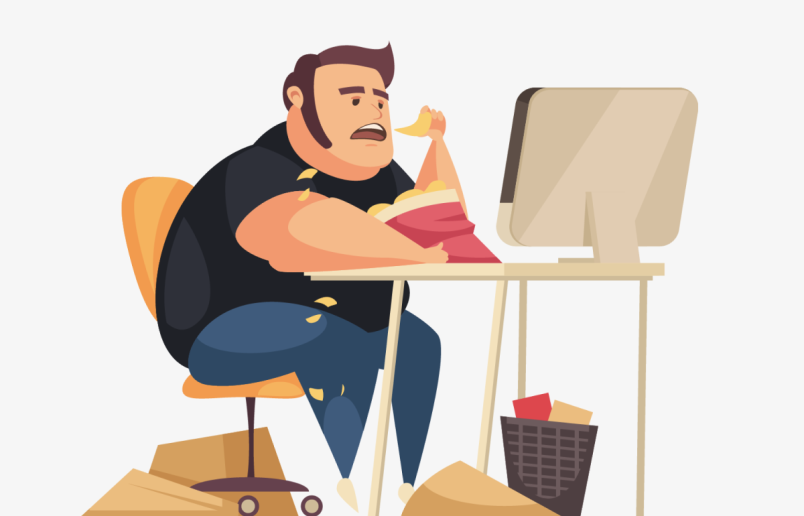
Quarantine can feel like a double-edged sword. On one side, it offers a chance to relax; on the other, it often leads to unwanted weight gain and obesity risk factors, despite being a healthy alternative to many diet programs. Many people find themselves snacking more and moving less during this time, contributing to pandemic weight, as highlighted in weight loss research, which points to obesity new risk factor, prompting the need for a weight loss program.
Understanding how to avoid weight gain during quarantine or isolation is crucial for maintaining health and well-being, especially considering obesity as a new risk factor and the various factors related to self. Simple strategies can help you stay active and make healthier food choices, considering factors like obesity new risk factor and self. This post will share practical tips to keep your weight in check while navigating these challenging times, considering obesity as a new risk factor and various factors. Stay tuned to discover easy ways to maintain balance and feel great, even when stuck at home, considering factors like obesity new risk factor.
Key Takeaways
- Be aware of the key risk factors of obesity and weight gain during quarantine, such as increased snacking and reduced physical activity. Recognizing these can help you stay proactive.
- Monitor your eating behaviors by keeping a food journal. This can help identify patterns and prevent overeating, especially when boredom strikes, addressing obesity as a new risk factor.
- Find ways to stay active at home. Incorporate short workouts or simple exercises into your daily routine to combat physical inactivity, an obesity new risk factor.
- Focus on maintaining a healthy diet by planning meals ahead of time and stocking up on nutritious foods instead of junk food to combat obesity as a new risk factor.
- Utilize home exercise tips, like following online workout classes or creating a mini-gym with household items, to keep your fitness levels up and combat obesity as a new risk factor.
- Prioritize mental well-being strategies, such as mindfulness or meditation, to reduce stress and emotional eating during isolation, an obesity new risk factor.
Key Risk Factors of Weight Gain
Inadequate Sleep
Lack of sleep is a significant risk factor for weight gain. Studies show that people who sleep less than seven hours per night tend to gain weight, an obesity new risk factor. The body needs sleep to regulate hormones related to hunger, a new risk factor for obesity. Ghrelin, the hormone that stimulates appetite and is an obesity new risk factor, increases with inadequate sleep. Conversely, leptin, which signals fullness, decreases. This imbalance can lead to overeating.
Sleep deprivation also affects metabolism. It slows down the body’s ability to process food efficiently, an obesity new risk factor. A study published in the journal “Obesity” found that individuals with poor sleep quality reported increased cravings for high-calorie foods. Therefore, getting enough quality sleep is crucial for maintaining a healthy weight during quarantine, as obesity is a new risk factor.
Snacking After Dinner
Snacking after dinner can significantly impact weight change. Many people tend to indulge in late-night snacks, a new risk factor for obesity, while watching TV or scrolling through their phones. These snacks often consist of unhealthy options like chips or sweets, an obesity new risk factor. Such habits contribute to reported weight gain.
Research indicates that late-night eating can lead to consuming excess calories without realizing it, an obesity new risk factor. According to a study from the American Journal of Clinical Nutrition, late-night snackers consumed an average of 300 extra calories each night, an obesity new risk factor. This added caloric intake can quickly accumulate over time, leading to unwanted weight gain and obesity new risk factor.
To avoid this pitfall, consider having a set time for meals and sticking to it, as obesity is a new risk factor. If hunger strikes after dinner, opt for healthier choices like fruits or yogurt instead of processed snacks to avoid obesity, a new risk factor.
Stress-Induced Eating
Stress plays a major role in contributing to obesity, a new risk factor for weight gain. Many people turn to food as a coping mechanism during tough times, contributing to obesity as a new risk factor. This behavior is known as stress-induced eating. During quarantine, feelings of anxiety and uncertainty have surged. Consequently, individuals may find themselves reaching for comfort foods more often, a potential obesity new risk factor.
Research shows that stress activates the body’s fight-or-flight response, increasing cortisol levels, a new risk factor for obesity. Elevated cortisol can trigger cravings for high-fat and high-sugar foods, an obesity new risk factor. A study published in “Psychosomatic Medicine” found that individuals under stress reported higher food intake and unhealthy eating patterns, an obesity new risk factor.
Recognizing these triggers is essential for managing weight status during isolation, especially as obesity is a new risk factor. Finding alternative stress-relief methods can help reduce emotional eating, an obesity new risk factor. Activities such as exercise, meditation, or hobbies can distract from food cravings and promote overall well-being.
Changes in Eating Behaviors
Meal Frequency
Increased meal frequency is common during quarantine. Families often eat together more than before. This change can lead to consuming more food overall. Surveys show that many people reported increased snacking and larger portions during meals.
Eating with others can create a social atmosphere. It may encourage people to eat more than they usually would alone. The presence of family or friends can make meals feel celebratory. This shift in eating behaviors can contribute to unwanted weight gain.
Food Visibility
Food visibility plays a significant role in eating habits. When food is easily seen, it becomes more tempting. Studies indicate that having snacks visible increases the likelihood of eating them. This phenomenon is known as mindless eating.
Availability also affects choices. If junk food is within reach, people are likely to choose it over healthier options. Keeping nutritious foods visible can help combat this issue. Placing fruits and vegetables at eye level might promote healthier snacking.
Snacking Patterns
People tend to snack more often during isolation, especially after dinner. Late-night cravings can lead to impulsivity in food choices. Many individuals find themselves reaching for chips or sweets instead of healthier options.
The concept of satiety becomes important here. If someone eats a large meal, they might still feel hungry later due to boredom or emotional triggers. Understanding the difference between true hunger and cravings can help manage this behavior.
Impact of Cues
Nutritive cues play an essential role in how we eat. Environmental factors, like the smell of food or watching others eat, can trigger cravings. These cues often lead to increased consumption without realizing it.
Changes in activity behaviors also contribute to weight gain during quarantine. With more time spent at home, sedentary behavior increases. Less movement means fewer calories burned, which can lead to weight gain if eating habits do not adjust accordingly.
New Findings
Recent findings from studies on mice suggest that changes in eating behaviors can be linked to stress and anxiety levels during isolation periods. As stress increases, so does the tendency for disinhibition in eating habits. People may indulge more when feeling overwhelmed.
Understanding these behavioral changes is crucial for managing weight during quarantine. Recognizing the impact of meal frequency, food visibility, and snacking patterns can guide better choices.
Physical Activity Challenges
Outdoor Limitations
Quarantine restrictions reduced outdoor activities significantly. Many people could not go to parks or gyms. This change led to a decline in physical activity time for many participants. The lack of access to these spaces made it hard to engage in regular exercise routines.
e individuals reported missing their daily walks or runs. They found it difficult to adapt to the new circumstances. Without outdoor options, they faced increased stress levels. This stress often resulted in unhealthy eating habits, which was discussed earlier.
Home Exercise Difficulties
Maintaining a regular exercise routine at home proved challenging for many. Limited space can restrict movement and make workouts less effective. Participants often found it hard to stay motivated without a structured environment like a gym.
Many turned to online workouts or fitness apps. While helpful, these solutions did not always fit everyone’s needs. Some subjects struggled with the variety of exercises available. Others felt overwhelmed by the sheer number of options.
The lack of equipment also posed a problem. Not everyone has weights or resistance bands at home. This limitation forced many to rely on bodyweight exercises, which can be less engaging over time.
Impact of Space and Resources
Limited space affected how much physical activity individuals could achieve. Small living areas restricted movements and made it harder to perform certain exercises. For example, jumping jacks or running in place may not be feasible in cramped quarters.
Resources also played a significant role in maintaining activity levels. Many people lacked access to fitness equipment or safe outdoor areas. This scarcity led to decreased motivation and increased feelings of weakness among participants.
ial distancing measures limited group activities that promote physical health. Group classes or sports teams became unavailable, reducing opportunities for engagement with others. These relationships often boost motivation and accountability in fitness routines.
Moreover, video games gained popularity during this period but did not always contribute positively to physical health. While some games encourage movement, many lead to extended periods of inactivity.
Maintaining a Healthy Diet
Balanced Meals
Balanced meals play a crucial role in maintaining a healthy diet. Proper portion sizes help control caloric intake. Eating too much, even of healthy foods, can lead to weight gain. A balanced meal includes proteins, carbohydrates, and fats. Each component supports different body functions. Proteins build muscles, while carbohydrates provide energy. Healthy fats are essential for brain health.
Variety of Foods
Incorporating a variety of fruits, vegetables, and whole grains is vital. Different foods offer unique nutrients that your body needs. For example, leafy greens like spinach are high in iron. Fruits like berries provide antioxidants. Whole grains such as brown rice offer fiber, which aids digestion. Aim for colorful plates at every meal. The more colors you have, the more nutrients you consume.
Meal Planning
Planning meals ahead can prevent impulsive eating. When isolation leads to boredom, many people snack mindlessly. By preparing meals in advance, you can avoid unhealthy choices. Create a weekly menu that includes breakfast, lunch, dinner, and snacks. This strategy helps you stay on track with your dietary restraint.
- Start by listing your favorite healthy recipes.
- Choose recipes that use similar ingredients to minimize waste.
- Set aside time each week to prepare meals.
This practice also saves time during busy days. Prepare larger portions for dinners and use leftovers for lunch the next day.
Smart Snacking
Snacking can derail your efforts if not done wisely. Opt for healthy alternatives instead of chips or cookies. Keep fruits, nuts, and yogurt on hand for quick snacks. These options are more nutritious and satisfying than processed foods.
Limit the number of unhealthy snacks in your home. If they aren’t available, you’re less likely to indulge in them. Remember that moderation is key when snacking on treats.
Tracking Nutritional Intake
Keeping a nutritional track of what you eat can help maintain focus. Many apps allow you to log food intake easily. This method raises awareness about what you consume daily and helps identify patterns. Recognizing these patterns allows for adjustments where necessary.
During quarantine, staying mindful about your eating habits is essential. Avoiding excessive comfort eating is important for overall health.
Home Exercise Tips
Simple Routines
At home, people can engage in various exercise regimens. Bodyweight exercises are effective and require no special equipment. Push-ups, squats, and lunges can be done easily in the living room.
Planks strengthen the core and can be held for 30 seconds to a minute. Jumping jacks raise the heart rate and can be included as a warm-up. These exercises can be mixed into a circuit routine for variety.
A sample routine could include:
- 10 push-ups
- 15 squats
- 30-second plank
- 20 jumping jacks
This routine takes about 15 minutes. It is practical and can be repeated several times a week.
Daily Schedule
Setting a daily exercise schedule helps maintain consistency. Choose specific times for workouts to create a habit. Morning sessions can energize the day. Evening workouts may help relieve stress after a long day.
Consider breaking up exercise into smaller sessions if time is limited. For example, do a quick workout during lunch or after work. Even short bursts of activity are beneficial.
Online Classes
Using online fitness classes or apps keeps motivation high. Many platforms offer free or low-cost options. Websites like YouTube have countless workout videos available.
Fitness apps provide structured programs that guide users through workouts. Some focus on strength training while others emphasize cardio or flexibility. A study found that participants who used these resources were more likely to stick with their exercise routines.
ial media also plays a role in staying active. Platforms like Facebook have groups dedicated to fitness challenges. Joining these communities encourages accountability and support among family and friends.
Family Involvement
Including family members in workouts makes exercising more enjoyable. Group activities like dancing, yoga, or even backyard games promote bonding while staying active.
Setting up family challenges can motivate everyone to participate. For example, track steps using fitness trackers or smartphones and see who walks the most in a week.
Mental Well-being Strategies
Mindfulness Practices
Mindfulness and meditation can significantly help manage stress. These practices allow people to focus on the present moment. Research shows that mindfulness reduces anxiety and improves emotional health. Simple techniques such as deep breathing or guided meditations can be effective. Apps like Headspace or Calm offer structured sessions for beginners. Setting aside just a few minutes each day can make a difference.
People often overlook mental health during quarantine. Stress from isolation can lead to unhealthy habits, including overeating. By practicing mindfulness, individuals can develop a better relationship with food. They become more aware of their cravings and emotions. This awareness helps in making healthier choices.
Engaging Hobbies
Engaging in hobbies is another way to promote mental well-being. Activities that bring joy can distract from negative thoughts. Options include painting, gardening, or learning a musical instrument. Such activities provide an outlet for creativity and relaxation.
Children also benefit from engaging hobbies during isolation. Parents can encourage kids to explore interests like crafting or reading. This keeps them occupied and reduces screen time, which can lead to boredom and unhealthy eating patterns.
Research indicates that maintaining interests fosters resilience. People who engage in enjoyable activities report lower stress levels. Finding time for hobbies helps break the monotony of daily routines.
Social Connections
Maintaining social connections is crucial during quarantine. Virtual means such as video calls or online game nights keep relationships alive. Connecting with friends and family provides emotional support and reduces feelings of loneliness.
Studies show that people who stay socially connected during isolation experience less anxiety. Regular check-ins with loved ones create a sense of belonging. It reminds individuals that they are not alone in their struggles.
Creating group activities online can be beneficial too. Book clubs or virtual workout sessions encourage interaction while promoting healthy habits. These options help maintain motivation and accountability among peers.
Long-term Health Implications
Chronic Diseases
Weight gain during quarantine can lead to many health problems. The increased time spent indoors and reduced physical activity raise concerns for future health. Studies show that weight gain raises the risk of chronic diseases such as diabetes and hypertension. These conditions can develop silently over time. They often result from poor lifestyle choices made during periods of isolation.
Health experts warn about the long-term impacts of excess weight. A recent study found that individuals who gained weight during the pandemic faced higher risks of serious health issues. The coronavirus crisis has highlighted these dangers. Many people may not realize how quickly weight gain can affect their bodies.
Immunity Health
Maintaining a healthy weight is crucial for immunity health. Excess body fat can weaken the immune system, making it harder to fight off infections. This is especially important during a global pandemic when viruses are widespread. A strong immune system helps protect against various diseases.
The relationship between weight and immunity is clear. Those with obesity often experience more severe symptoms from illnesses like COVID-19. The stress on the body increases with extra weight, leading to inflammation and other complications. Therefore, keeping a healthy weight should be a priority.
Future Circumstances
Looking ahead, the implications of weight gain could be significant. The findings from recent research indicate that those who do not manage their weight may face lifelong challenges. Future circumstances may include ongoing health issues that stem from this period of isolation.
Maintaining a healthy weight now can prevent future problems. It’s essential to focus on nutrition and exercise even while at home. Small changes can make a big difference in overall health. For example, preparing balanced meals and engaging in daily activities can help combat weight gain.

Preventive Measures for Weight Gain
Regular Monitoring
Monitoring weight and dietary habits is crucial during quarantine. Keeping track of your meals helps you stay aware of what you eat. It can prevent overeating and help maintain a balanced diet. Weigh yourself regularly, ideally once a week. This practice helps identify any unwanted increase in pounds early on.
Consider using a food diary or an app to log your meals. Writing down what you consume can reveal patterns in your eating habits. You might notice times when you snack mindlessly or choose unhealthy options. Awareness is the first step toward change.
Set Realistic Goals
Setting achievable goals for physical activity and nutrition is important. Aim for small, specific targets rather than drastic changes. For instance, try to exercise for 30 minutes a day, five times a week. This could include walking, yoga, or home workouts.
Also, focus on making healthier food choices. Instead of cutting out all treats, allow yourself occasional indulgences in moderation. Balance is key to sustainable weight management. Remember that it’s about progress, not perfection.
Seek Professional Advice
If managing your weight becomes challenging, seeking professional advice can be beneficial. A registered dietitian can provide personalized guidance tailored to your needs. They can help create a weight management program that fits your lifestyle.
Consulting with a healthcare provider is also wise if you’re experiencing significant stress or emotional eating during isolation. They can offer support and suggest strategies to cope with these feelings.
Importance of Sleep
Sleep plays a vital role in weight management. Lack of sleep can disrupt hormones that control hunger and appetite. Aim for 7-9 hours of quality sleep each night. Establishing a consistent sleep schedule can improve your overall well-being.
Create a relaxing bedtime routine to help signal your body that it’s time to wind down. Limiting screen time before bed can also enhance sleep quality. Good rest supports better decision-making regarding food choices and exercise.
Stay Active at Home
Finding ways to stay active at home can prevent weight gain. Incorporate movement into your daily routine. Simple activities like cleaning, gardening, or dancing can keep you engaged.
You can also explore online workout classes or fitness apps for guided exercises. Many resources are available for free or at low cost. Staying active will not only help manage weight but also boost mood and energy levels.
Closing Thoughts
Navigating weight gain during quarantine is tough, but you can take control. Recognizing risk factors and making conscious choices about your diet and exercise is key. Prioritize your mental well-being too; it plays a huge role in maintaining a healthy lifestyle.
Stay proactive and implement the strategies discussed. Create a routine that works for you, involve your friends or family for support, and keep pushing yourself to stay active. Remember, small changes can lead to big results. Now is the time to act—make your health a priority today!
Frequently Asked Questions
How can I avoid weight gain during quarantine?
To avoid weight gain, focus on balanced meals, control portion sizes, and maintain a regular eating schedule. Incorporate physical activity into your daily routine and prioritize mental well-being.
What are the main risk factors for weight gain during isolation?
Key risk factors include increased snacking, reduced physical activity, stress eating, and boredom. Awareness of these factors can help you take proactive steps to mitigate them.
How does stress affect my eating habits during quarantine?
Stress often leads to emotional eating or cravings for high-calorie comfort foods. Managing stress through mindfulness or relaxation techniques can help you make healthier choices.
What home exercises can I do to stay fit?
Bodyweight exercises like squats, push-ups, and lunges are effective. You can also try yoga or online workout classes. Aim for at least 30 minutes of exercise most days.
How important is meal planning during isolation?
Meal planning is crucial. It helps you make healthier choices, prevents impulse eating, and saves time. Preparing nutritious meals in advance keeps you on track with your diet.
Can mental well-being strategies help prevent weight gain?
Absolutely! Practices like meditation, journaling, and staying connected with loved ones can reduce stress and improve your mood. A positive mindset supports healthier lifestyle choices.
What long-term health implications should I consider?
Weight gain during isolation can lead to chronic conditions like obesity, diabetes, and heart disease. Prioritizing healthy habits now can significantly benefit your long-term health.
