

Reading Nutrition Labels
Nutrition labels are required by the FDA on all packaged foods. They are helpful when counting calories, counting carbs, or deciding whether something in the grocery store will fit your diet.
Not all foods are labeled. Fruits, vegetables, meat (and also alcohol) aren’t required to list their calorie content, but you can still determine calories using a scale or measuring cups (weight tends to be more accurate).

Serving Size – The most important part of the nutrition label. All the numbers on a nutrition label are per serving. On this label, one serving is 3/4 of a cup.
Calories – The key to weight loss. If you want to lose weight, you’ll have to reduce your calories.
Total Carbohydrates – This is where you’ll find sugars, starches and fiber. Avoid foods with high sugar content, especially added sugars.
Total Fat – Important for your health, but less important for weight loss. Fat digests slower, which helps you feel full longer, but it’s also high in calories.
Dietary Fiber – Not all carbs are bad, and some are even beneficial. Fiber slows digestion, which makes you feel full longer and lowers blood sugar levels.
Protein Like fiber, protein digests slowly, which makes you feel full longer. It’s also essential for building and maintaining muscle mass.

Tip: Always Measure Your PortionsUse measuring cups or a scale! Otherwise you may be eating double the calories you think you are.
What If There is No Nutrition Label?

As mentioned, not all foods come with a nutrition label. When cooking at home, you’ll often be using ingredients from the produce or meat section, and these won’t come with labels. This is where you’ll actually need to do some math, and have a calorie website or app where you can look up the calories. There are many options available, just find the one that works for you.
Some meals, like steak or baked potatoes, can be measured individually. These are the easiest items to measure and track. Look up the calories per ounce or per gram using your preferred app. Remember, a 2lb potato has more calories than a 6oz potato, always check the serving size and make sure you’re not over or under-estimating your calories.
Doing the Math
Sometimes your calorie reference can be less-than-helpful. Let’s say your app tells you that a 170g potato has 130 calories, but your apple is 210 grams. The math is easier when you have a calorie count per gram or per 100 grams, so look to see if those measurements are available first. If not, divide the number of calories by the number of grams to get the number of calories per gram. Then multiply that by the number by the number of grams in your potato. This theoretical potato has approximately 160 calories.

For family-size items like meatloaf, do what the recipe-makers do: add up the calories of all the individual ingredients, then divide by serving size. For example, if all the ingredients in your meatloaf (ground beef, onions, bread crumbs, eggs, mushrooms and spices) combined add up to 1600 calories and you cut it into 8 equal slices, each piece of meatloaf will be 200 calories.

Tip: Storing Leftovers
Instead of putting each item (meat, sides, vegetables) in a separate container, pre-pack individual, re-heatable meals with a single serving of each item so that you know how many calories are there. You can save and re-use plastic to-go containers to make this easier on your budget.
Resources for you
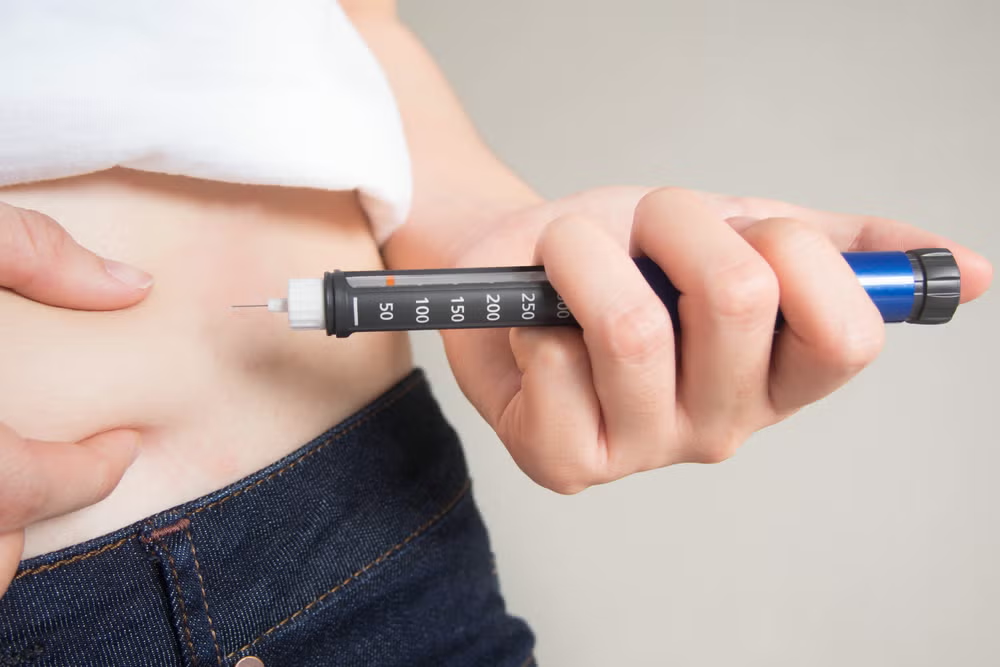
Unlocking metabolic health: The transformative role of GLP-1 receptor agonists
Key Takeaways METABOLIC HEALTH IMPROVED WITH GLP-1 Better blood sugar, weight, and heart health control via glucagon-like peptide-1 drugs. GLP-1 stabilizes insulin usage state, reduces appetite, and c .... READ MORE

Who Qualifies for Weight Loss Medications?
Key Takeaways Typically, individuals who qualify for weight loss medication are adults with a BMI of 30 or above, or those with a BMI of 27 or above accompanied by weight-related health conditions lik .... READ MORE
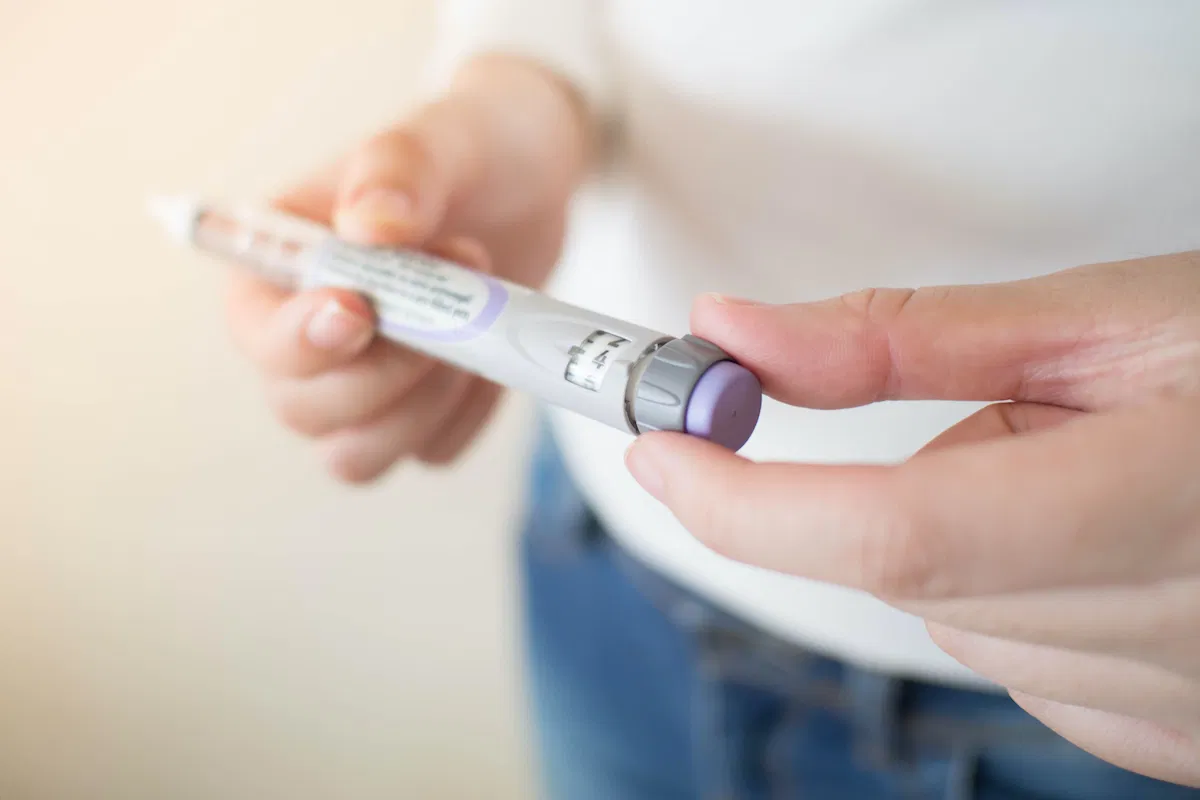
Semaglutide Cash Pricing Options in Phoenix, AZ
Key Takeaways Semaglutide cash price phoenix refers to the amount folks pay out of pocket for semaglutide, no insurance, in that city. Prices may vary by pharmacy, supply and brand. Few, if any, post .... READ MORE

What to Eat and Avoid on Semaglutide for Optimal Results
Key Takeaways Semaglutide patients tend to rely on foods rich in protein, fiber, and healthy fats. Many choose lean protein, legumes, whole grains, fresh fruit, and vegetables to help maintain fullnes .... READ MORE

Weight Regain After Stopping Tirzepatide: What to Expect and How to Manage
Key Takeaways Coming off tirzepatide can lead to patients regaining weight lost on the drug. Tirzepatide, a type 2 diabetes and weight loss drug, assists the body in managing blood sugar and reducing .... READ MORE

GLP-1 Fatigue: Causes, Management, and Energy Boosting Tips
Key Takeaways GLP-1 fatigue and low energy frequently arise as side effects of GLP-1 drugs. Most users say that they feel fatigued or rundown, particularly during the initial weeks of treatment. These .... READ MORE
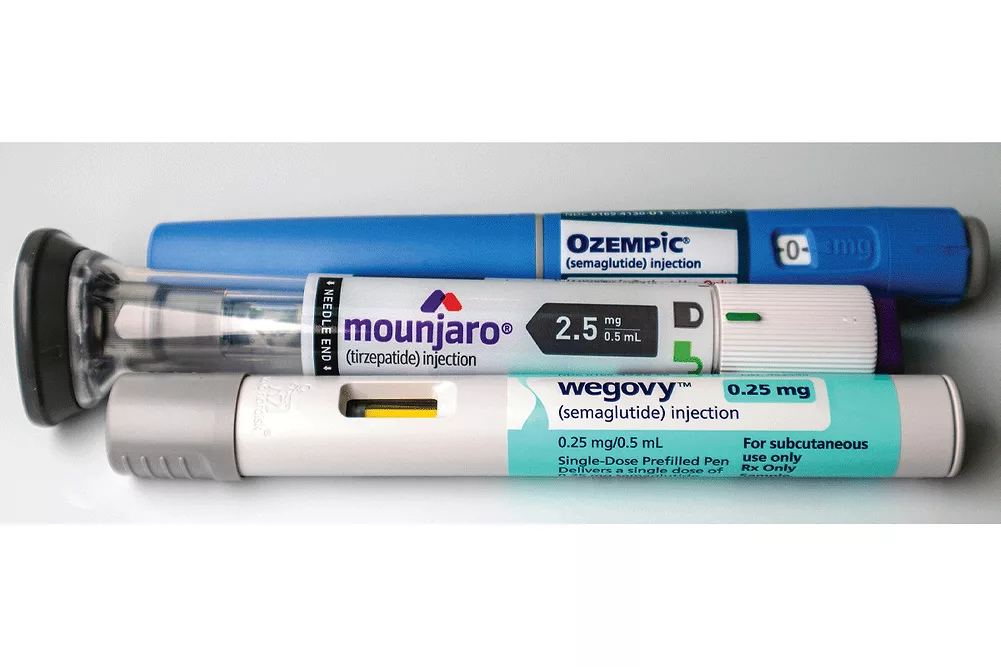
How to Sustain Weight Loss After GLP-1 Treatment
Key Takeaways A maintenance plan after GLP-1 weight loss is a series of habits and actions to maintain weight loss following the use of GLP-1 medications. Many people require ongoing guidance, defined .... READ MORE