

The Glycemic Index
Understanding the Glycemic Index
The glycemic index (GI) is a valuable tool for anyone looking to manage their weight, improve their health, and maintain steady energy levels throughout the day. At Phoenix Weight Loss and Wellness, we emphasize the importance of understanding and utilizing the glycemic index in your weight loss journey.
What is the Glycemic Index?
The glycemic index is a numerical system that ranks foods based on how they affect blood sugar levels. Foods are scored on a scale from 0 to 100, with pure glucose assigned a value of 100. The lower the GI value, the slower the rise in blood sugar levels after consuming the food. Here’s a breakdown:
- Low GI (0-55): Foods that cause a slow, gradual increase in blood sugar.
- Moderate GI (56-69): Foods that cause a moderate increase in blood sugar.
- High GI (70-100): Foods that cause a rapid spike in blood sugar.
Why is the Glycemic Index Important?
Managing blood sugar levels is crucial for maintaining energy, reducing cravings, and preventing chronic diseases. Foods with a high GI can cause spikes and drops in blood sugar levels, leading to fatigue, hunger, and potential weight gain. Conversely, low GI foods promote stable blood sugar levels, reducing the risk of insulin resistance, a condition that can lead to type 2 diabetes and other health issues.
Benefits of a Low Glycemic Index Diet
Incorporating low GI foods into your diet offers numerous health benefits:
- Reduces Cravings: Stable blood sugar levels help control hunger and reduce cravings.
- Improves Satiety: Low GI foods help you feel full longer, making it easier to manage your weight.
- Decreases Risk of Chronic Diseases: Lowers the risk of developing type 2 diabetes, heart disease, and metabolic syndrome.
- Enhances Energy Levels: Prevents the energy crashes associated with high GI foods.
Who Can Benefit from a Low Glycemic Index Diet?
A low GI diet is beneficial for:
- Weight Loss: Helps in losing weight and maintaining weight loss.
- Diabetes Management: Ideal for individuals with diabetes to manage blood sugar levels.
- General Health: Suitable for anyone looking to improve their overall health and reduce the risk of chronic diseases.
Key Principles of Low Glycemic Dieting
- Choose Whole Grains: Opt for grains like brown rice, quinoa, steel-cut oats, and whole barley. Avoid refined grains such as white bread and white pasta.
- Avoid High GI Sweets: Limit foods high in sugar and calories, like ice cream, cakes, and sweetened drinks.
- Eat Lean Proteins: Include healthy proteins such as fish, skinless chicken, and beans in your diet.
- Incorporate Healthy Fats: Use moderate amounts of healthy fats like olive oil, nuts, and avocados. Avoid trans fats and saturated fats found in processed foods and some animal products.
- Load Up on Vegetables: Focus on non-starchy vegetables like lettuce, asparagus, broccoli, spinach, mushrooms, and peppers.
- Select Fruits Wisely: Choose fruits with low GI levels, such as berries, peaches, pears, and apples. Avoid high GI fruits like mangos, papayas, and bananas.
Expected Results from a Low Glycemic Index Diet
The impact of a low GI diet can vary from person to person. However, most individuals can expect:
- Increased Energy: More stable energy levels throughout the day.
- Reduced Hunger: Fewer cravings and less frequent feelings of hunger.
- Weight Loss: Gradual and sustainable weight loss due to lower calorie intake and improved satiety.
- Better Health: Reduced risk of chronic diseases such as type 2 diabetes and heart disease.
Getting Started
Understanding and using the glycemic index is a powerful strategy for managing your weight and improving your health. At Phoenix Weight Loss and Wellness, our expert team can guide you through incorporating low GI foods into your diet and creating a personalized meal plan that aligns with your weight loss goals.
For more information or to schedule a consultation, contact us today. Let us help you take the first step towards a healthier, more balanced life.
Resources for you

Unlocking metabolic health: The transformative role of GLP-1 receptor agonists
Key Takeaways METABOLIC HEALTH IMPROVED WITH GLP-1 Better blood sugar, weight, and heart health control via glucagon-like peptide-1 drugs. GLP-1 stabilizes insulin usage state, reduces appetite, and c .... READ MORE

Who Qualifies for Weight Loss Medications?
Key Takeaways Typically, individuals who qualify for weight loss medication are adults with a BMI of 30 or above, or those with a BMI of 27 or above accompanied by weight-related health conditions lik .... READ MORE
Semaglutide Cash Pricing Options in Phoenix, AZ
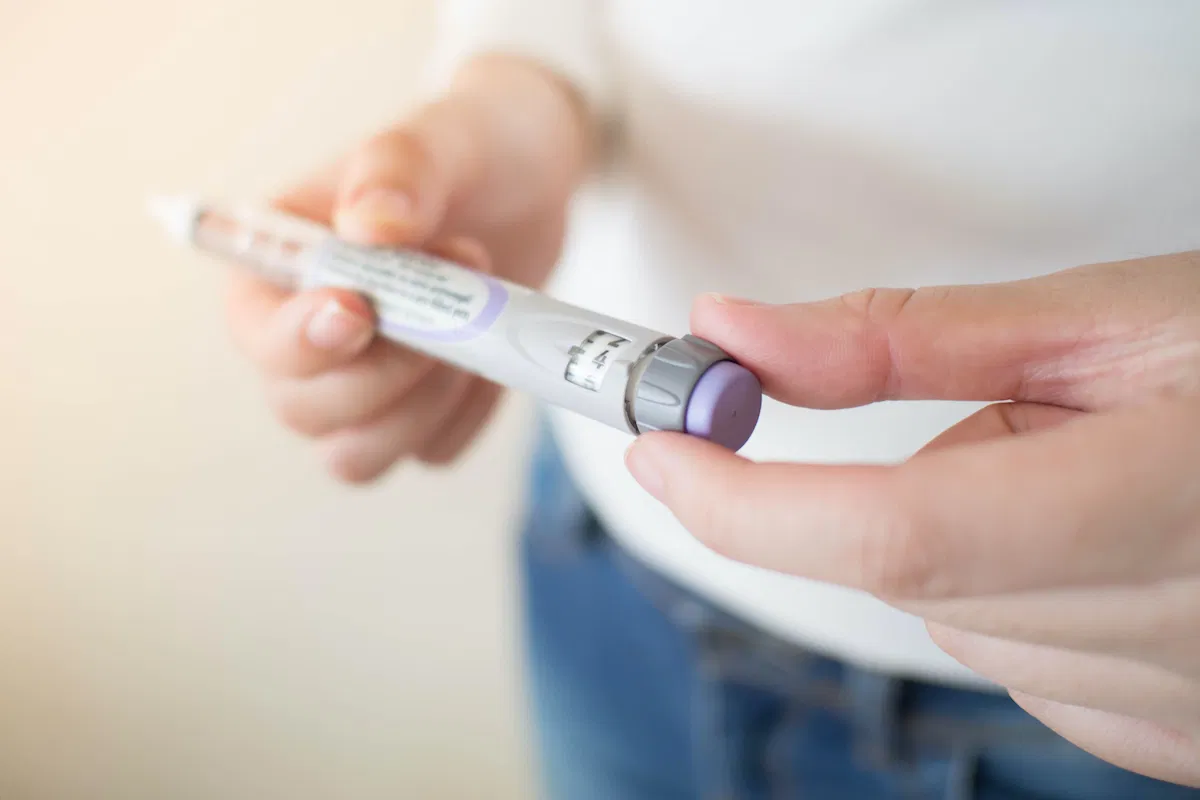
Key Takeaways Semaglutide cash price phoenix refers to the amount folks pay out of pocket for semaglutide, no insurance, in that city. Prices may vary by pharmacy, supply and brand. Few, if any, post .... READ MORE

What to Eat and Avoid on Semaglutide for Optimal Results
Key Takeaways Semaglutide patients tend to rely on foods rich in protein, fiber, and healthy fats. Many choose lean protein, legumes, whole grains, fresh fruit, and vegetables to help maintain fullnes .... READ MORE

Weight Regain After Stopping Tirzepatide: What to Expect and How to Manage
Key Takeaways Coming off tirzepatide can lead to patients regaining weight lost on the drug. Tirzepatide, a type 2 diabetes and weight loss drug, assists the body in managing blood sugar and reducing .... READ MORE

GLP-1 Fatigue: Causes, Management, and Energy Boosting Tips
Key Takeaways GLP-1 fatigue and low energy frequently arise as side effects of GLP-1 drugs. Most users say that they feel fatigued or rundown, particularly during the initial weeks of treatment. These .... READ MORE
How to Sustain Weight Loss After GLP-1 Treatment
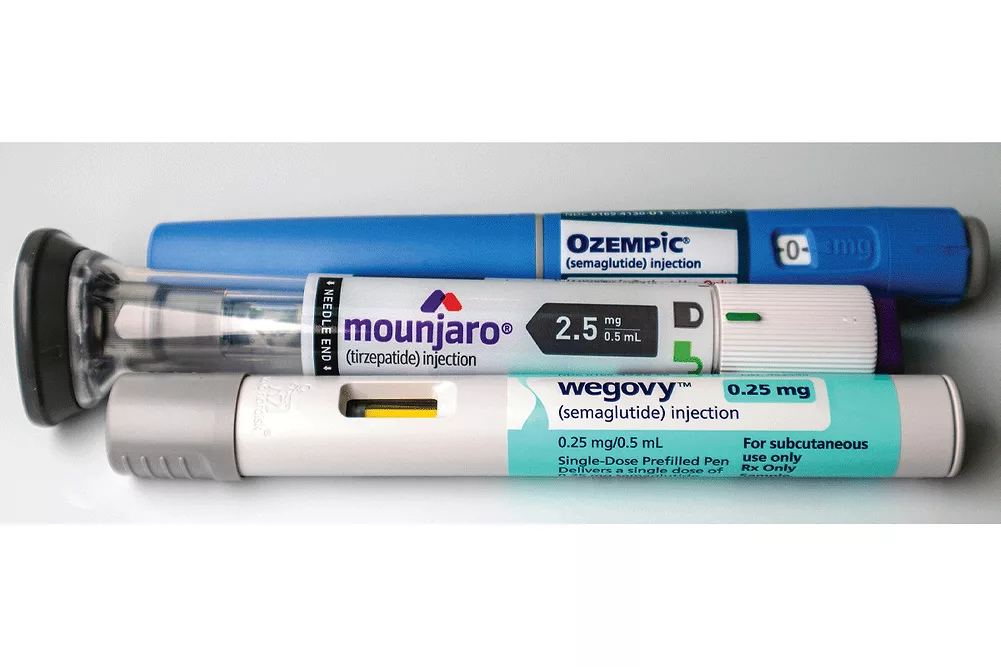
Key Takeaways A maintenance plan after GLP-1 weight loss is a series of habits and actions to maintain weight loss following the use of GLP-1 medications. Many people require ongoing guidance, defined .... READ MORE